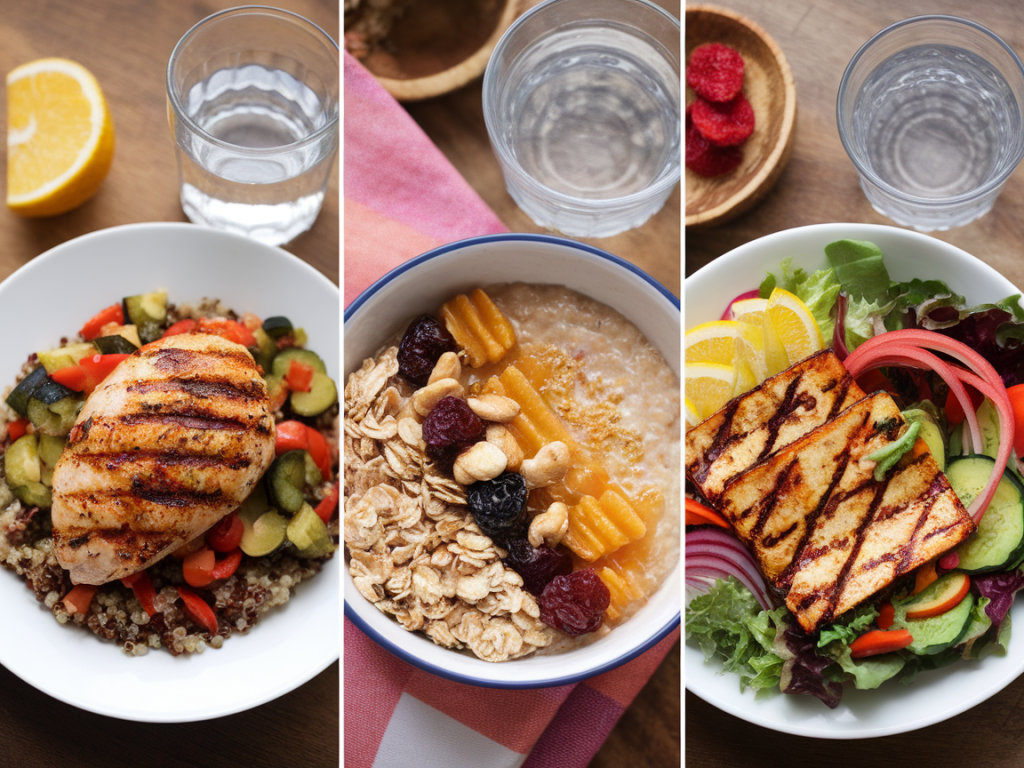
The night before a long race has always felt a little sacred to me: a mix of nervous energy, ritual, and careful planning. Over the years I’ve learned that what you eat in the 24 hours around a race can mean the difference between cruising comfortably and hitting the dreaded “bonk.” Below I share a practical, science-informed 3-meal plan (dinner, pre-bed snack, and race-morning breakfast) that I use and recommend to athletes of all levels. I’ll also explain the why behind each choice so you can adapt it to your tastes and race distance.
My guiding principles for the night-before meals
Before the menu, here are the rules I follow every time:
Dinner (the night before): carbohydrate-focused, satisfying, low-risk
My ideal pre-race dinner is simple, comforting, and reliably digested. Think pasta, rice bowls, or a baked potato with easy-to-digest toppings.
Example meal I often use:
This meal gives a good carbohydrate base (60–90 g carbs), 20–30 g protein, and low-to-moderate fat. If you’re racing the next day in cool weather, add a small pat of butter or a drizzle of olive oil for satiety. If you’re prone to bloating, choose white rice or plain potatoes instead of whole grains the night before.
Pre-bed snack: top up glycogen, aid sleep, avoid GI upset
I always eat a small snack 60–120 minutes before bed to top off liver glycogen and to avoid waking up hungry in the night. It should be mostly carbohydrate with a touch of protein. Avoid heavy fats and lots of fiber.
These snacks provide easily available carbs, a little protein for overnight recovery, and are unlikely to cause stomach issues. If you sleep poorly after eating, opt for the lighter options (cereal or toast).
Race-morning breakfast (2–3 hours before start): fuel up, digest well
Breakfast is as important as dinner. You want carbs that will digest well, a little protein, minimal fat, and familiarity. I eat 2–3 hours before the race so there’s time to digest and use the energy.
If your race starts early and you only have 60 minutes to eat, go for a small banana and an energy gel (brands like GU, Honey Stinger, or Clif are reliable). Always test gels in training; don’t use a new product on race day.
Hydration and electrolytes
Hydration isn’t just chugging water overnight. I sip water steadily in the evening and aim for clear to light-yellow urine before bed. For races longer than 90 minutes or in hot conditions, I add 1–2 servings of a sports drink (e.g., Nuun, Tailwind, or Maurten) the night before and in the morning to top up sodium and other electrolytes.
A practical routine I follow:
Foods and habits I avoid
Over the years I cultivated a short “no” list for the night before a race:
Quick meal-planning table (examples with rough macros)
| Meal | Example | Approx. Carbs | Protein | Notes |
|---|---|---|---|---|
| Dinner | Pasta with tomato sauce + chicken + steamed zucchini | 60–90 g | 25–30 g | Low fat, moderate protein |
| Pre-bed snack | Cereal + milk + banana | 30–45 g | 6–10 g | Easy digestion, helps sleep |
| Morning | Oatmeal + banana + honey | 60–80 g | 8–15 g | Eat 2–3 hours before start |
Personal tips I swear by
- Practice this plan on long training runs. The only way to know how your stomach reacts is to test it in training, not on race day. I learned this the hard way after a carbo-heavy curry left me miserable before a half-marathon.
- If you’re nervous and can’t sleep, a light carb snack (a piece of toast or a small bowl of cereal) usually calms my stomach and helps me relax.
- Consider a small dose of tart cherry juice the evening before (about 150–200 ml) if you want an anti-inflammatory boost that some studies suggest helps recovery. I use it occasionally and find it helps soreness the day after long efforts.
- If you’re prone to bonking on long races, increase your carbohydrate intake slightly in the 24 hours before the event (the so-called “carb-load”) by adding an extra serving of pasta, rice, or potatoes at dinner and the next morning.
If you want, tell me your race distance, estimated effort level, and any dietary restrictions (vegan, gluten-free, IBS, etc.), and I’ll customize this 3-meal plan specifically for you. Good fueling is often the easiest performance hack—get it right and the rest of the hard work pays off on race day.