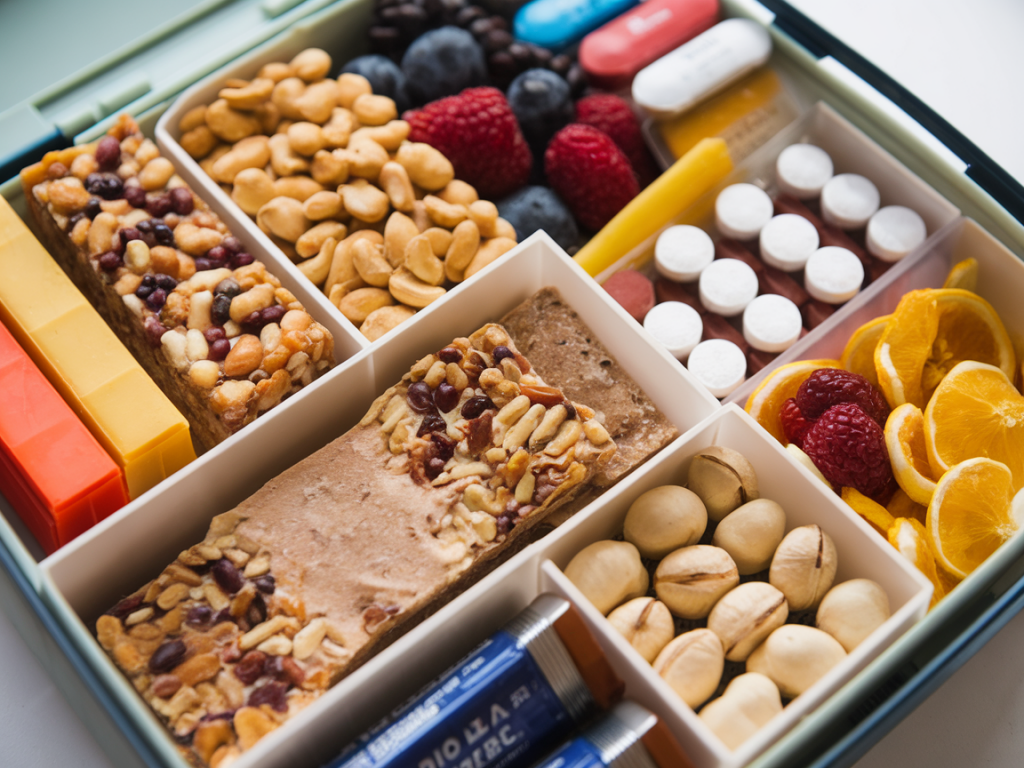
Traveling for a week doesn’t mean I have to surrender my training goals or my nutrition plan. Over the years I’ve learned how to build a seven-day travel nutrition kit that keeps my energy steady, my workouts intense, and my digestion friendly — without lugging a suitcase full of perishables. Below I walk you through exactly what I pack, why each item matters, and how I organize everything to make travel days, hotel stays, and training sessions feel seamless.
My packing philosophy
I keep three priorities in mind: convenience, nutrient density, and flexibility. Convenience because when I’m traveling I want things that are easy to prepare or eat on the go. Nutrient density because calories aren’t enough — I look for protein, complex carbs, healthy fats, electrolytes and micronutrients. Flexibility because plans change: flights get delayed, workouts shift, and restaurant options vary. The items I pack must cover multiple scenarios.
Non-perishable staples I always bring
- Protein powder — I usually bring a single-serve stash (or a small 500 g container if I’m doing my own luggage). Whey or plant-based (like Vega or Optimum Nutrition) ensures I hit protein targets after workouts or as a quick meal replacement.
- Instant oats — Quick to prepare with hot water or in a hotel kettle. Oats are my go-to for complex carbs and satiety.
- Nut butters — Individual packets of almond or peanut butter (Justin’s, RXBAR single-serve) add calories, fat, and flavor without refrigeration.
- Energy bars & recovery bars — I bring a selection: a couple of Clif Bars or KIND bars for long travel days, and a few higher-protein bars for post-workout recovery (Quest, RXBAR).
- Electrolyte mixes — Powdered electrolytes (Nuun, Skratch Labs, LMNT) are lifesavers after hot training sessions and help avoid the heavy stomach feeling from drinking sugary sports drinks.
- Trail mix / nuts / seeds — A homemade or store-bought mix gives healthy fats and quick calories.
- Instant soup or miso packets — Great for sodium, comfort, and warm fluids on travel days.
- Dehydrated or freeze-dried meals — For minimal-effort hot meals that are lightweight (brands like Peak Refuel, Patagonia Provisions, or Backpacker’s Pantry).
- Portable coffee or tea bags — I travel with a few favourite instant coffee sticks or brewed tea bags to control caffeine intake before workouts.
Perishables I pack carefully
Perishable food can be included if I plan logistics properly, using a small cooler bag and ice packs. I keep perishables to a minimum and choose items with a longer fridge life.
- Hard-boiled eggs (or vacuum-packed smoked salmon for variety)
- Greek yogurt or plant-based yogurt in single-serve cups
- A small avocado or two (last well in a cooler and add healthy fats to meals)
- Fresh fruit that travels well: bananas, apples, clementines
Kitchen & prep tools I bring
- Collapsible water bottle (Hydrapak, Nalgene collapsible) — saving space in my bag and keeping hydration easy.
- Blender bottle / shaker — For protein shakes and oatmeal.
- Mini cooler bag + gel ice packs — Enough to keep a couple of perishables for a day or two.
- Portable cutlery & bowl — Lightweight and reusable to eat anywhere.
- Small travel scale — Optional, but handy when measuring portions for nutrition-focused training blocks.
Supplements and recovery aids
When I travel and train hard, I keep a compact supplement kit to support recovery and energy:
- Multivitamin (daily) — a simple insurance policy.
- Vitamin D & Omega-3s — especially on long flights and when I know I’ll be indoors a lot.
- Magnesium — to support sleep and muscle recovery.
- BCAAs or an intra-workout mix if I know my training sessions will be long and I’m likely to be low on carbs.
- Caffeine mints or a small caffeine tablet — more precise than random coffee when adjusting pre-training dose.
How I structure meals and snacks for a seven-day trip
I use the same framework every day: breakfast + pre-workout snack (if training early) + post-workout recovery + lunch + afternoon snack + dinner. Flexibility means sometimes breakfast becomes lunch depending on flight times.
| Meal | Example | Why it works |
|---|---|---|
| Breakfast | Instant oats with protein powder, almond butter, banana | Complex carbs + protein + healthy fat for sustained energy |
| Pre-workout | Rice cake or Clif Bar + coffee | Quick carbs for fuel without stomach upset |
| Post-workout | Protein shake + electrolyte drink | Rapid protein and rehydration to kickstart recovery |
| Lunch | Freeze-dried meal or salad with grilled chicken (hotel or restaurant) | Balance of macros; choose lean protein + veg + carbs |
| Snack | Trail mix, Greek yogurt, or an energy bar | Prevents energy dips; easy to carry |
| Dinner | Restaurant: prioritize protein, vegetables, and a starchy side | Helps maintain glycogen and provide micronutrients |
Strategies to maintain energy and training intensity
- Hydrate proactively — Flights, meetings, and travel stress dehydrate you. I sip electrolyte drinks throughout the day, especially when training outdoors or in hot climates.
- Time carbohydrates around sessions — I place carbs before and after my workouts to maximize performance and recovery. Easy carbs before training and more complex ones after work best for me.
- Don’t skip sleep — I bring earplugs, an eye mask, and magnesium to help quality sleep since recovery is where gains are consolidated.
- Plan restaurant orders — When I know I’ll eat out, I pick grilled protein, steamed veg, and a carb portion. If portions are large, I save half for the next meal.
- Use small, frequent meals if digestion is an issue — Travel can upset digestion; smaller meals reduce bloating and maintain steady energy.
Packing checklist (printable)
- Protein powder (single-serve or small tub)
- Instant oats
- Nut butter packets
- Energy & protein bars
- Electrolyte packets
- Trail mix / nuts
- Freeze-dried meals (2–3)
- Collapsible water bottle + shaker
- Mini cooler + ice packs
- Supplements: multivitamin, vit D, omega-3, magnesium
- Reusable cutlery and bowl
- Caffeine source (coffee sticks, mints)
When I stick to this kit and approach, a seven-day trip feels like an extended training block rather than a nutrition free-for-all. I’m able to hit sessions with the same intensity I maintain at home, keep energy stable through long days, and recover well enough to enjoy the trip too. If you want, I can build a printable shopping list or a sample 7-day meal plan tailored to vegan/vegetarian diets or specific calorie targets — just tell me your needs and I’ll customize it.