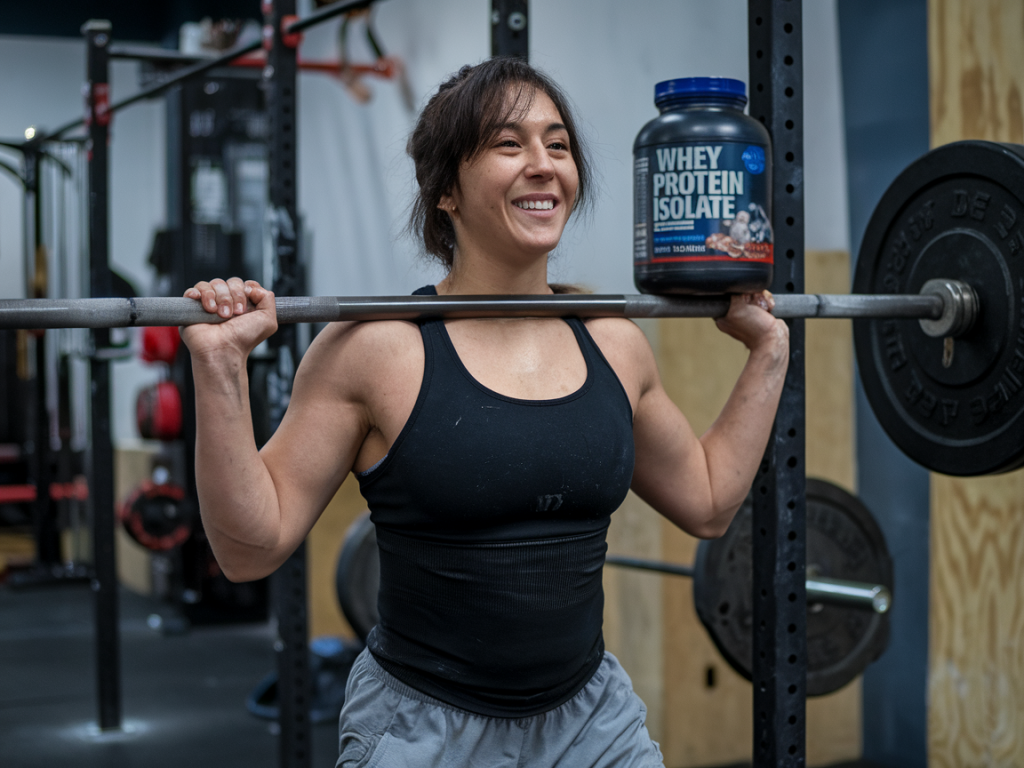
When I first started lifting, I obsessed over everything I thought might give me an edge: workout splits, rep ranges, sleep, and — of course — protein timing. Whey isolate kept coming up as the "fast" protein to drink immediately after a workout. But does targeted protein timing with whey isolate actually speed up strength gains for beginner lifters? After reading the research, testing strategies on myself and people I coach, and thinking practically about real-life constraints, here's what I’ve learned and what I now recommend.
What people mean by "protein timing" and why it's attractive
When folks talk about protein timing they usually mean consuming protein at specific moments — most commonly immediately after training — to maximize muscle repair and growth. The logic is simple: resistance training creates micro-tears and a spike in muscle-protein synthesis (MPS), so delivering amino acids fast should boost recovery and adaptation. Whey isolate is popular because it’s digested quickly, provides a high concentration of leucine (a key trigger for MPS), and mixes easily with water.
What the science actually says
Here’s the key point I keep coming back to: total daily protein intake matters much more than perfect timing. Multiple meta-analyses and reviews suggest that as long as you consume adequate protein across the day (roughly 1.6–2.2 g/kg body weight for most people seeking muscle and strength gains), the precise minute-by-minute timing around workouts is less critical than once thought.
That said, there are circumstances where timing makes sense and where whey isolate may be helpful:
- If you train fasted (first thing in the morning), having a fast-digesting protein soon after the session can blunt the catabolic state and stimulate MPS.
- If your last meal was more than 3–4 hours before training, getting protein within a couple of hours post-workout seems sensible.
- For beginners who are still dialing in habits, a simple, repeatable routine — like a whey shake after training — can improve consistency and ensure they hit daily protein targets.
Why whey isolate specifically?
Whey isolate stands out for a few practical reasons that I find useful to communicate to beginners:
- Fast absorption: Whey reaches the bloodstream quickly, raising amino acid levels sooner than whole-food proteins.
- High leucine: Whey contains a strong leucine dose per serving, which directly triggers MPS.
- Convenience: It’s lightweight, portable, and quick to prepare — perfect for the gym bag.
However, whey isolate isn’t magical. Whole food sources (chicken, eggs, Greek yogurt) work just as well if timed reasonably and included in your overall daily protein total.
Practical protein timing recommendations for beginner lifters
From my experience coaching beginners and experimenting myself, here’s a simple, realistic approach that combines evidence with habit-building:
- Daily protein goal: Aim for 1.6–2.0 g/kg body weight. For a 70 kg person, that’s ~112–140 g of protein/day.
- Distribute protein: Try to include 20–40 g of protein at each main meal (breakfast, lunch, dinner) and around workouts if convenient.
- Post-workout window: Rather than stressing about a strict 30-minute window, aim to consume 20–40 g of protein within 1–2 hours after training, especially if you trained fasted or after a long gap without food.
- Use whey isolate when needed: If you can’t eat a meal soon after training (e.g., long commute, short breaks), a 20–30 g whey isolate shake is a practical option to rapidly supply amino acids.
How much whey isolate post-workout?
From both a scientific and practical standpoint, 20–30 g of whey protein (which usually provides ~18–24 g of protein depending on the product) is plenty to maximally stimulate MPS for most beginner lifters. Aim for roughly 0.24–0.40 g/kg in the immediate post-workout period if you want a guideline tied to body weight.
| Body weight | Post-workout protein target | Whey isolate scoop estimate |
|---|---|---|
| 60 kg | 14–24 g | ~1 scoop (depending on product) |
| 75 kg | 18–30 g | 1–1.5 scoops |
| 90 kg | 22–36 g | 1.5 scoops |
Note: check the label of your whey isolate (brands like Optimum Nutrition Gold Standard 100% Isolate, MyProtein Impact Whey Isolate, or Dymatize ISO100) — scoop sizes and protein per scoop vary.
Timing vs. total intake: what I tell the beginners I coach
I often say this: focus on hitting your daily protein target first. If you’re under that, timing won’t save you. But once your daily intake is adequate, be thoughtful about protein distribution and practicality. A post-workout whey shake is less about an "anabolic window" and more about convenience — it ensures you’re getting usable amino acids soon after training and helps build a consistent habit.
Other considerations: calories, carbs, and recovery
Strength gains don’t come from protein alone. Calories, overall diet quality, sleep, progressive overload in training, and recovery matter hugely. Carbohydrates around workouts can help refill glycogen and support performance in subsequent sessions. For beginners, I usually recommend a balanced post-workout approach: whey isolate plus a carb source (banana, oats, or a small sandwich) if you trained hard and want to optimize next-session performance.
Real-life example: a simple post-workout routine I use
Here’s a routine I’ve used and recommended:
- Finish workout.
- Within 30–90 minutes, have a shake: 25 g whey isolate + 250–300 ml water or milk, and a banana if I’m hungry or training multiple times a day.
- Then, within 2–3 hours, eat a full meal with 30–40 g of protein (chicken or tofu, vegetables, carbs).
When timing might matter more
I’ll be honest: timing can matter more in certain situations:
- Advanced lifters chasing every marginal gain where nutrient timing, training periodization, and recovery are finely tuned.
- Athletes with multiple daily sessions — they need rapid recovery between sessions and a fast protein source is useful.
- People in a calorie deficit who want to preserve strength and muscle mass; evenly spaced protein and leucine-rich sources matter more here.
Final practical takeaways I live by
Here are the takeaways I actually follow and tell readers and clients:
- Prioritize total daily protein (1.6–2.2 g/kg) over perfect timing.
- Use whey isolate as a convenient, fast option when you can’t get a meal soon after training.
- Target ~20–30 g of high-quality protein post-workout if you train fasted or haven’t eaten for several hours.
- Don’t overlook sleep, calories, progressive overload, and consistency — they drive most strength gains for beginners.
If you want, I can put together a 7-day sample meal and training plan that includes whey isolate options tailored to your weight, training time, and food preferences. It’s the easiest way to turn this theory into a routine that actually helps you get stronger.