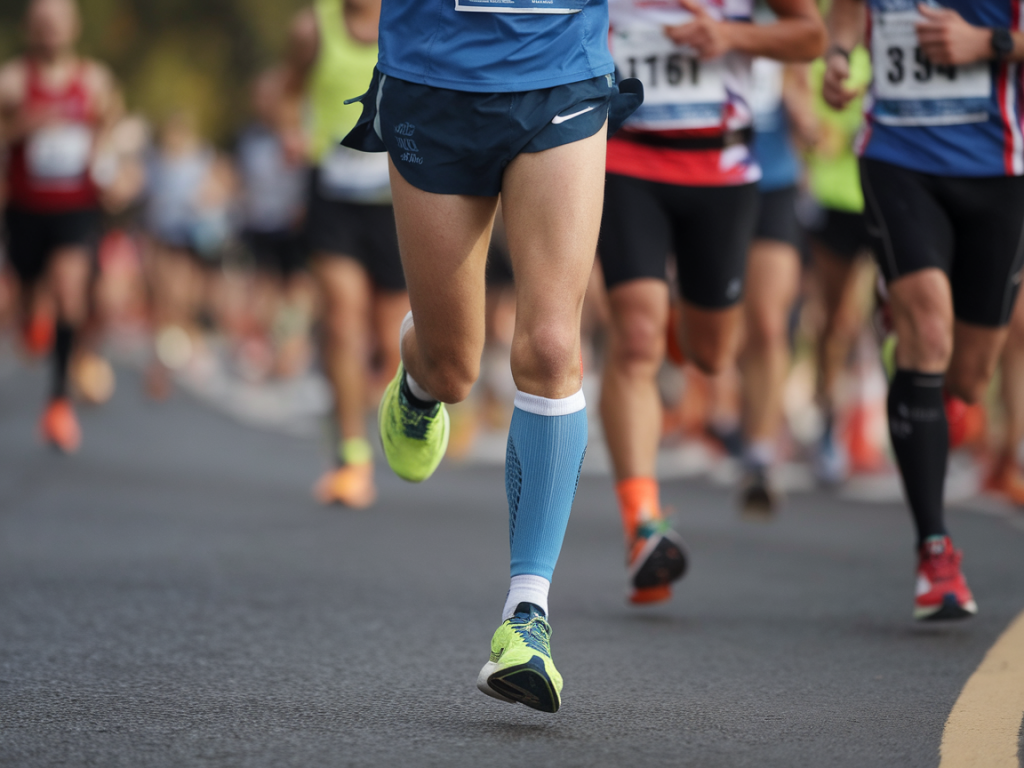
I’ve worn a few different brands of lightweight compression calf sleeves during training cycles and races, and I’ve often wondered whether they actually reduce the muscle soreness that follows a marathon and help me maintain a faster pace. After testing them in workouts, long runs, and a couple of full marathons, and after digging through the science and chatting with coaches and physios, here’s what I’ve learned—and what I now recommend to other runners.
What are lightweight compression calf sleeves?
Compression calf sleeves are snug, elastic tubes that fit over the calf muscle from just below the knee to above the ankle. Unlike full tights, they focus pressure on the gastrocnemius and soleus muscles. When I say “lightweight,” I mean sleeves designed for breathability and minimal thermal load—brands like 2XU, CEP, and Zensah have models that feel more like a second skin than bulky gear.
Why runners think compression helps
There are a few reasons many of us reach for compression sleeves:
- Improved venous return: Compression theoretically helps push blood back to the heart, reducing blood pooling and improving oxygen delivery.
- Reduced muscle oscillation: During each stride, your muscles jiggle; compression may reduce this micro-trauma.
- Perceived support: The sleeves can make muscles feel more stable and reduce the sensation of fatigue.
- Warmth and proprioception: Even lightweight sleeves add a little heat and subtle sensory feedback, which some runners interpret as improved performance.
What the research says (in plain terms)
Studies on compression garments are mixed. Some randomized trials and meta-analyses suggest compression can reduce delayed onset muscle soreness (DOMS) and improve recovery markers after long or intense exercise. Other studies show little to no effect on actual race performance or markers like lactic acid. From what I’ve read and observed, the consistent findings are:
- Small to moderate reductions in perceived muscle soreness in the 24–72 hours after prolonged efforts.
- Minimal direct effect on race pace for well-trained runners in controlled trials—improvements, when present, tend to be small.
- Individual variability: Some runners report clear benefits; others notice nothing.
My personal experience across training and race day
In training, I started wearing calf sleeves for runs over 25 km and for recovery runs after hard sessions. What I noticed:
- On long runs, my calves felt less “bouncy” and slightly less hungry for energy toward the end.
- The day after a long tempo or marathon-pace effort, soreness was sometimes reduced—especially on the lower posterior calf.
- During marathon races, I didn’t see a dramatic pace improvement attributable solely to sleeves, but I did feel mentally more confident and better able to maintain form during the final miles.
One key point: when I combined sleeves with proper pacing, fueling, and tapering, my recovery felt noticeably better than when I skipped sleeves but kept everything else the same.
How sleeves might reduce soreness
From my perspective and conversations with physiotherapists, the mechanism is likely multi-factorial:
- Compression reduces microtrauma: By limiting muscle oscillation, sleeves may reduce tiny tears that contribute to DOMS.
- Enhanced circulation and metabolic clearance: Better venous return can help clear metabolic waste faster after exercise.
- Neuromuscular feedback: The sleeve’s contact offers proprioceptive cues that improve running economy by stabilizing muscle firing patterns (subtle, but meaningful over thousands of steps).
Do calf sleeves improve marathon pace?
Short answer: not by themselves, at least not consistently. Longer answer: any small gain from compression tends to be indirect—reduced soreness, better muscle feel, improved confidence—so if those factors let you maintain form and pace in the latter stages, you could see a small boost. In my races, I’ve never clocked a huge PR simply because I wore sleeves. But when combined with the right preparation, they contributed to a steadier final 10K.
When to wear them: training vs race day
- Training: Use sleeves during long runs and fast finishers to adapt muscles to sustained load while potentially limiting soreness. They’re also great for recovery runs and post-run wear.
- Race day: Try them in a tune-up race or long run first. If they feel good, wear them on race day. Don’t test new gear on race morning.
- Post-marathon: Many runners wear compression for 24–72 hours after a race to reduce DOMS and speed functional recovery.
How to choose the right sleeve
Fit matters more than brand. Here’s what I look for:
- Graduated compression: More pressure at the ankle, lighter at the top—this aids venous return.
- Comfortable breathability: Lightweight fabrics with mesh zones prevent overheating.
- Correct size: Measure calf circumference and follow the brand’s size chart.
- Durability: Seam placement and fabric recovery matter; cheap sleeves lose compression after a few washes.
| Effect | Evidence | My experience |
|---|---|---|
| Reduced perceived soreness | Moderate evidence | Yes, often less calf soreness 24–48 hrs after hard workouts |
| Improved race pace | Weak/minimal evidence | Small indirect benefits when combined with good prep |
| Faster recovery | Some evidence for quicker functional recovery | Often feel fresher for follow-up training sessions |
Practical tips for using calf sleeves
- Test sleeves on long training runs before race day.
- Wear them for recovery runs and overnight if they’re comfortable—many runners report better morning stiffness with overnight wear.
- Combine compression with icing, massage, foam rolling, and proper nutrition for best recovery outcomes.
- Replace sleeves when they lose elasticity—compression effectiveness diminishes with wear.
So, if you ask me whether lightweight compression calf sleeves reduce marathon muscle soreness and improve pace—the honest answer is that they can help reduce soreness and may indirectly support a steadier pace, but they are not a magic bullet. They’re a useful tool in a runner’s toolbox, particularly for recovery and comfort, and worth trying if you’re chasing small, cumulative gains in how you feel both during and after the marathon.