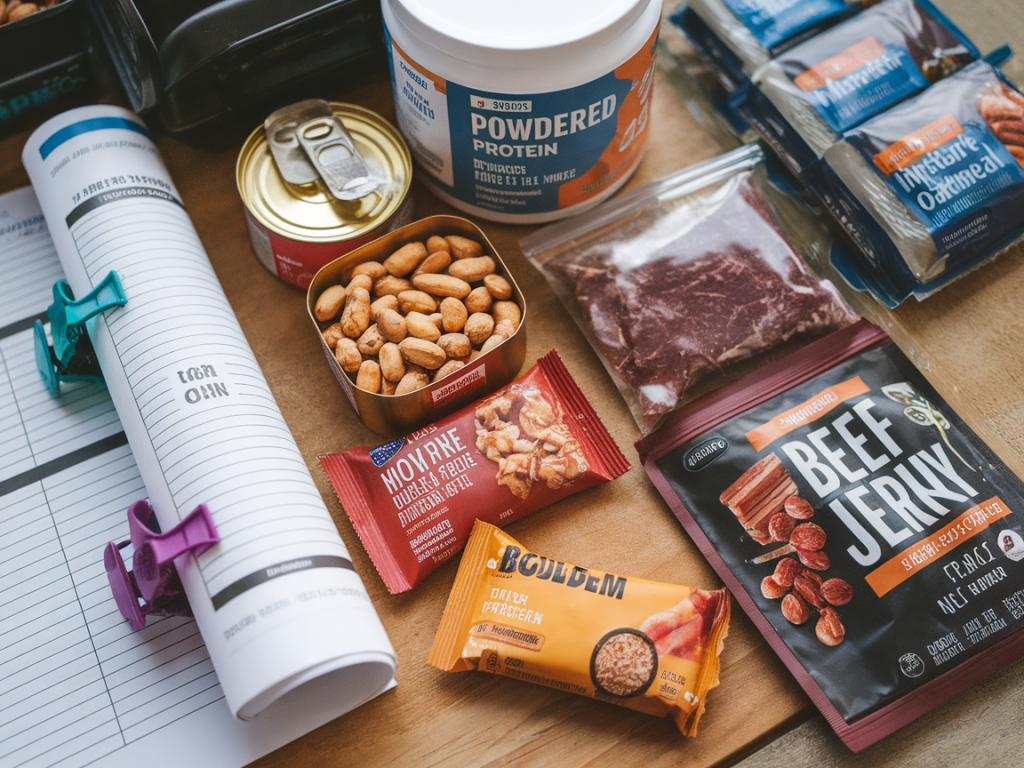
When I'm on the road—whether it's a week of travel for competitions, a business trip, or a long road trip—I prioritize maintaining strength and muscle mass. Packing fresh food isn't always possible, so I rely on shelf-stable proteins and smart combinations to hit my protein goals, stay energized, and keep recovery on track. Below I share how I build a travel-friendly seven-day meal plan using shelf-stable proteins, practical packing tips, and answers to the common questions I get about eating well while traveling.
Why shelf-stable proteins?
I choose shelf-stable proteins because they remove the worry about refrigeration, are lightweight, and often come in perfectly portioned servings. Items like canned tuna, pouched salmon, shelf-stable tofu, protein powders, jerky, and canned beans are all staples in my bag. They provide high-quality protein, often with long expiry dates, and pair easily with simple carbs and fats to make balanced meals without a kitchen.
How much protein do I aim for?
My target depends on activity level. When I'm training hard, I aim for about 1.6–2.2 g/kg of body weight. For a 75 kg athlete, that's roughly 120–165 g of protein per day. On lighter days I may drop closer to 1.4 g/kg. Shelf-stable proteins let me distribute intake across meals and snacks, which helps with recovery and satiety.
Core shelf-stable protein items I always pack
How I structure a travel-friendly day
I like to keep meals simple: a high-protein base, a quick carbohydrate source, healthy fats, and some fiber or micronutrients where possible. This makes it easier to stick to targets without relying on fast food.
Seven-day meal plan (shelf-stable focused)
Below is a practical plan I’ve used multiple times. Portions depend on your calorie needs—scale them up or down as needed. Each day includes roughly 100–150 g protein for an active athlete; adjust per your goals.
| Day | Breakfast | Lunch | Snack | Dinner | Evening |
|---|---|---|---|---|---|
| Day 1 | Instant oats made with powdered milk, 1 scoop whey protein, 1 tbsp peanut butter | Tuna pouch + whole-grain crackers + pre-packaged mixed olives or sun-dried tomatoes | Beef jerky + an apple | Canned chickpeas heated with curry paste + instant couscous + pouch salmon | Casein shake or Greek-style UHT yogurt |
| Day 2 | Protein pancake mix (just add water) with powdered peanut butter and honey | Ready-to-eat chicken pouch + microwaveable brown rice + vacuum-packed spinach | Protein bar (low sugar) + a banana | Sardines on whole-wheat crackers + canned green beans + instant quinoa | Warm milk with 1 scoop casein |
| Day 3 | Instant oats with chia seeds, plant-based protein powder, dried berries | Canned black beans + avocado (if fresh) or guacamole pouch + tortilla chips | Trail mix + single-serve almond butter | Smoked tofu + canned mixed vegetables + minute rice | Powdered yogurt rehydrated or protein shake |
| Day 4 | Granola mixed with UHT milk and protein powder | Salmon pouch + canned lentils + lemon powder + crackers | Hummus single-serve + carrot sticks (or rehydrated dried veg) | Ready-to-eat curry with added canned chicken and extra beans | Cottage-cheese alternative sachet or shake |
| Day 5 | Protein oats with cinnamon + dried fruit | Tuna salad (tuna + olive oil sachet + canned corn) on whole wheat wraps | Jerky + orange (if available) | Instant noodles (whole-grain) with added tofu and miso paste + seaweed | Casein or a slow-digesting protein snack |
| Day 6 | Protein smoothie (protein powder + powdered milk + water + freeze-dried fruit) | Chicken pouch + canned sweet potato or instant mashed potatoes | Protein cookie or homemade oat/protein balls | Mackerel with tomato sauce + canned beans + polenta | Warm milk + protein powder |
| Day 7 | Baked oats in a hotel safe (oats + protein powder + powdered milk mixed in a bowl) or instant porridge | Chickpea tuna mix + crackers + pickled vegetables | Nut butter sachet + rice cakes | Bean stew (canned beans + canned tomatoes + spices) + tuna | Yogurt alternative or casein shake |
Tips for packing and storage
How I handle microwaves, reheating, and mixing without a kitchen
If there’s no microwave, I use an electric kettle to rehydrate instant rice, couscous, or oats. Pouches of tuna/salmon and jerky need no heating. For warm dinners I find a travel immersion heater or a hotel iron/water boiler (used safely) can help. I also look for hotel breakfast bars that offer boiled eggs or Greek yogurt to supplement my shelf-stable stash.
Common questions I get and practical answers
Products and extras I recommend
Travel doesn’t have to derail strength goals. With a little planning, the right shelf-stable proteins, and a few small tools in your bag, you can maintain muscle, control energy levels, and feel strong—no matter where the road takes you. For more travel-friendly nutrition tips and adaptable meal ideas, visit Sport News at https://www.sport-news.uk.