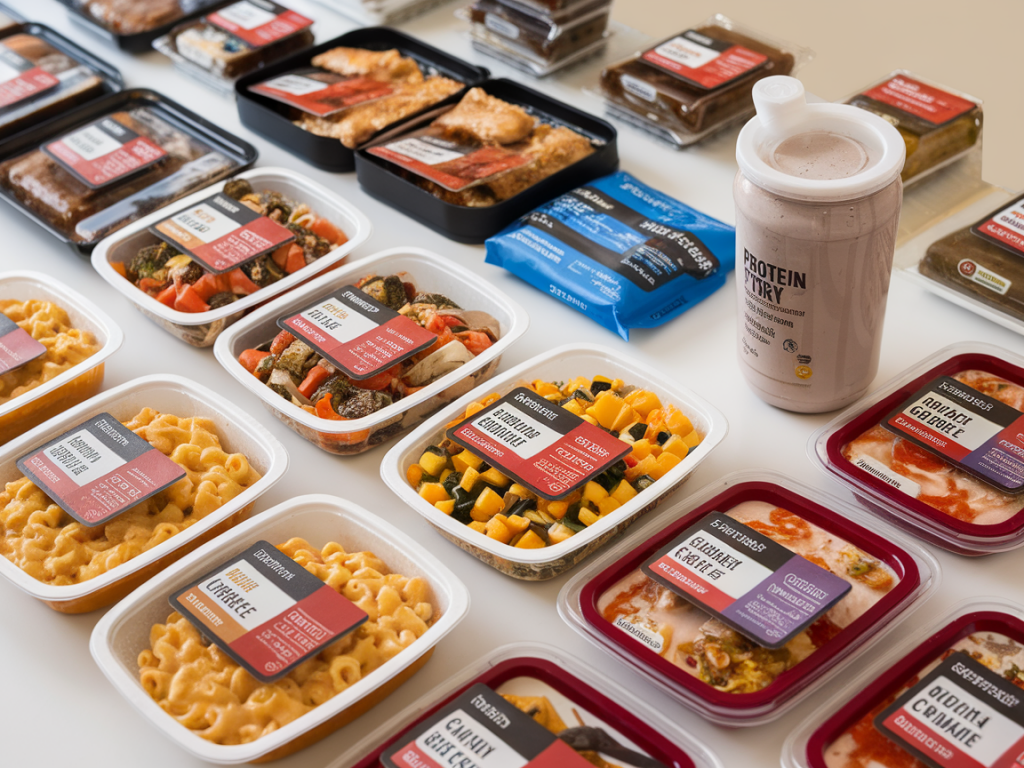
I get asked a lot: "Can I really rely on supermarket ready meals as an athlete?" I know the skepticism—many of us imagine tiny, salty trays with no real nutritional value. But the truth is more nuanced. Over the last few years I’ve tested dozens of supermarket ready meals between training sessions and hectic travel days, and I’ve found several that can legitimately fit into an athlete’s macro targets for recovery and performance—if you choose wisely and make a few smart tweaks.
What I look for when assessing a ready meal for an athlete
Before naming specific meals and brands, here’s my checklist that I use every time I scan a package in the supermarket aisle:
Protein per meal: Ideally 20–40 g for a main meal aimed at recovery (depends on body weight and training intensity).Carbohydrates: 30–100 g depending on training demands—higher after long endurance sessions, moderate after strength work.Fat: Moderate—too much fat can slow glycogen replenishment; I target 10–25 g for most post-workout dinners.Ingredient quality: Whole-food components (real chicken, brown rice, vegetables) over “meat analogue” fillers or long lists of additives.Sodium: Watch it—many ready meals are high in salt, which can be okay for heavy sweaters but problematic if you’re watching blood pressure or cutting weight.Portion size & calories: Are they enough for your energy needs? Many meals are underpowered for athletes and require additions.Supermarket ready meals that I regularly use and why they work
Below are some ready meals I've found to be practical and nutritionally sensible. Remember, availability varies by country and store, but these represent typical ranges and product types you can find at Tesco, Sainsbury’s, Marks & Spencer (M&S), Asda, Aldi and Lidl.
M&S Balanced For You chicken/lean protein mains – M&S has a "Balanced For You" range that often features lean chicken, wholegrains and vegetables. Many meals land around 30–35 g protein, 40–60 g carbs and ~10–15 g fat. That’s a great starting point for post-resistance sessions.Tesco High Protein or Eat Well bowls – Tesco’s protein-forward ready meals (and some hot-pot style bowls) provide 25–35 g protein and sensible carbs. They’re convenient when you need a quick, higher-protein option.Sainsbury’s Taste the Difference & Protein Pots – Some of Sainsbury’s meals are protein-heavy, especially their pots that combine chicken or turkey with grains. These are good for midweek recovery when you don’t want to cook.Aldi & Lidl higher-protein range – Both discounters have launched healthier ready-meal lines in recent years, featuring grilled chicken, rice or sweet potato and veg. Protein is sometimes slightly lower (20–25 g) but value is excellent.Asda Protein Collection / Chicken and Rice bowls – Asda’s higher-protein bowls are practical and typically balanced for athletes who need a quick refuel.These examples aren’t endorsements of specific SKUs across the board—product recipes and macros change often. Always check the nutrition label.
Sample macro comparisons (approximate)
| Meal type | Protein (g) | Carbs (g) | Fat (g) | Calories (approx) |
| M&S Balanced chicken, brown rice & veg | 32 | 55 | 12 | 520 |
| Tesco High Protein chicken bowl | 30 | 45 | 10 | 460 |
| Sainsbury’s turkey & quinoa pot | 27 | 40 | 11 | 430 |
| Aldi chicken & sweet potato tray | 24 | 48 | 14 | 470 |
How I modify ready meals to meet athlete macros
Even the best ready meals sometimes need adjustments to hit specific macro targets. Here are the practical tricks I use:
Add a protein boost: Stir in a pouch of canned tuna, a boiled egg, a scoop of cottage cheese, or shredded rotisserie chicken. A 100 g addition of chicken adds ~20–25 g protein.Top up carbs when needed: Microwave a sweet potato, add a pouch of microwave rice, or a slice of wholegrain bread to reach desired carbs after long sessions.Reduce fat impact: If a meal is heavy in sauce, drain excess oil, and serve with steamed vegetables to increase volume without extra fat.Include a recovery shake: If the meal lacks protein right after a workout, I’ll have a quick whey or plant protein shake (20–30 g) with water or milk and then the ready meal later as a full meal.Watch sodium: If you’re concerned about salt, pair the meal with potassium-rich foods (bananas, spinach) and hydrate well. Choose reduced-salt versions where available.Timing and context: when ready meals work best
I don’t recommend relying on ready meals as the only nutrition strategy, but they’re perfect in these scenarios:
Post-workout when you need convenience and can eat within the 1–2 hour recovery window.Travel days or competition weekends when cooking isn’t feasible.Busy training blocks where planning is realistic but time is limited.For top-up nutrition immediately after intense sessions, I often pair a ready meal with a fast-absorbing protein drink to hit the immediate amino-acid need, then eat the meal as a fuller recovery meal within 1–2 hours.
Labels and red flags I always check
Protein per 100 g: If protein is under 10 g/100 g, it’s probably not very useful for recovery without additions.Added sugar: Avoid meals with high added sugars unless you’re intentionally using simple carbs for glycogen repletion.Packed with additives and texture enhancers: Not necessarily harmful, but lower ingredient quality can indicate lower real-food content.In short, yes—many supermarket ready meals can meet an athlete’s macros for recovery and performance, especially if you choose higher-protein options and make simple additions. They won’t always replace a carefully planned meal prep strategy, but they’re an excellent, practical tool in your nutrition toolbox when used thoughtfully.
If you want, I can scan current ranges at specific supermarkets and list my favourites with product names and exact macros—I’ve done that for my own kitchen and can tailor recommendations to your sport, weight, and training load.