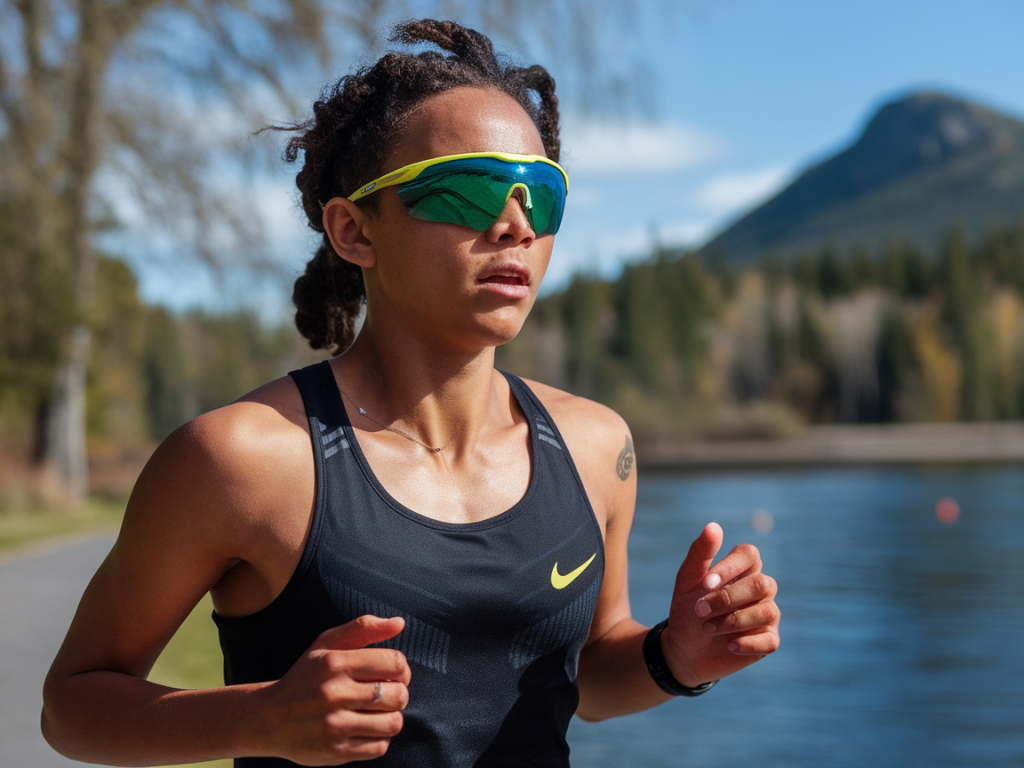
Outdoor training has always been my favorite way to clear my head and push my limits. But after more than a few sessions squinting into the sun or wiping sweat off my brow, I realized that eye discomfort was quietly sabotaging my focus and performance. That's when I started experimenting seriously with polarized sunglasses — not just as a fashion accessory, but as essential training gear. Over time I learned how the right pair can reduce eye fatigue, sharpen visual clarity, and even help me move more confidently across varied terrain.
Why polarized lenses matter for training
I used to think any dark-tinted sunglasses would do the job. The difference with polarized lenses is subtle at first and dramatic in practice. Polarization works by filtering horizontally polarized light — the glare that bounces off wet roads, water, sand, or even car hoods. That glare creates a washed-out, high-contrast environment that forces your eyes to overwork, causing fatigue, headaches, and slower reaction times.
So when I’m on a long run by the river, cycling on bright roads, or doing agility drills on a sunlit field, polarized lenses cut the glare and reduce the visual "noise." The result? My eyes relax, my depth perception improves, and I can maintain steady focus on foot placement, obstacles, or other athletes.
How polarized sunglasses reduce eye fatigue
- Less squinting: Squinting is an automatic response to glare and bright light. It tenses facial and eye muscles, which drains energy. Polarized lenses reduce glare so squinting happens less often.
- Sharper contrast: With glare removed, objects and textures stand out more clearly. That reduces the strain of constantly trying to distinguish surfaces or small details.
- Reduced light scatter: Polarized lenses limit scattered light, which often causes a hazy appearance. Cleaner visuals mean your eyes don't have to constantly refocus.
- Improved visual comfort over long sessions: On a two-hour ride or a long hike, comfort compounds. Less eye fatigue keeps you mentally fresher for strategy and pacing decisions.
How improved vision translates to better performance
Better vision isn't just about comfort — it directly affects performance. In my experience, being able to clearly see trail irregularities, road textures, or a teammate's subtle movement makes decision-making faster and more accurate. Here are a few ways polarized sunglasses have helped me perform better:
- Faster reaction times: Clearer visual cues mean I respond more quickly to obstacles or changes in the environment.
- Better technique preservation: When I'm not fighting glare, I hold better form because I’m not compensating for poor visual input.
- Greater confidence at speed: Whether descending on a bike or sprinting over technical terrain, seeing details reduces hesitation.
- Reduced cognitive load: Visual comfort frees up mental energy that I can redirect to strategy, pacing, or breathing.
Choosing the right polarized sunglasses for training
Not all polarized sunglasses are created equal. I learned to consider several factors when picking a pair for different activities.
- Lens tint and color: Gray or smoke tints are great for true color perception in very bright conditions. Amber and brown enhance contrast on overcast or variable light days — useful for trail running. Yellow or rose tints boost contrast in low-light but can feel too bright in midday sun.
- Frame fit and coverage: Wraparound frames block peripheral glare and wind. I prefer a snug, secure fit for cycling and running so the sunglasses don’t bounce.
- Ventilation: Good airflow reduces lens fogging, especially during high-intensity intervals. Some sport models, like Oakley’s or Smith Optics’ lines, include vented designs optimized for this.
- Interchangeable lenses: If you train across varied light conditions, frames with interchangeable lenses (e.g., Tifosi or Rudy Project) let you swap tints quickly.
- Polarization quality and coatings: Cheap polarized lenses can introduce distortion. I look for multi-layer coatings that add scratch resistance, hydrophobic properties, and anti-reflective backing.
When polarized lenses can be less ideal
Polarized lenses are great, but there are times they may not be the best choice. I keep these limitations in mind so I can pick the right tool for the day:
- LCD screens visibility: Polarized lenses can make some digital displays (watches, bike computers, some GPS units) hard to read. Try your device with the lenses before committing.
- Low light or heavy overcast: In very low light, polarization offers less benefit and darker polarized lenses can reduce visibility. In those conditions I switch to lighter or non-polarized lenses.
- Reflections from irregular surfaces: Polarization filters horizontal glare best; in some very complex reflective scenarios, you may still see distracting highlights.
My practical training checklist for polarized sunglasses
| Situation | Recommended Lens | Why |
|---|---|---|
| Sunny road cycling | Dark gray polarized | True color perception and maximum glare reduction on asphalt |
| Trail running | Amber/brown polarized | Enhanced contrast helps spot roots, rocks, and changes in texture |
| Water sports | Polarized with mirrored coating | Reduces surface glare and provides extra protection from intense reflection |
| Low light/early morning | Light yellow or clear (non-polarized) | Preserves visibility when polarization and dark tints would hinder perception |
Care and habits to maximize benefits
To get the most from polarized sunglasses, I follow a few routines:
- Clean regularly: Use a microfiber cloth and lens cleaner. Dirt and smudges defeat the benefit of polarization.
- Store in a hard case: Sport sunglasses can be an investment — protect them from scratches and warping.
- Test gear before big events: I always do a training session with my sunglasses before a race to ensure devices (like my GPS) remain readable and the fit is perfect.
- Rotate by condition: I keep two pairs: one for bright, reflective environments and one for variable or low-light days.
Polarized sunglasses changed the way I experience outdoor training. They didn't suddenly make me faster, but they removed a subtle barrier — eye strain — that was quietly eroding my focus and efficiency. If you spend a lot of time outdoors, try a pair tuned to your sport. Test them in real conditions, pay attention to fit and lens tint, and don’t be shy about investing in quality. Your eyes (and your training) will thank you.