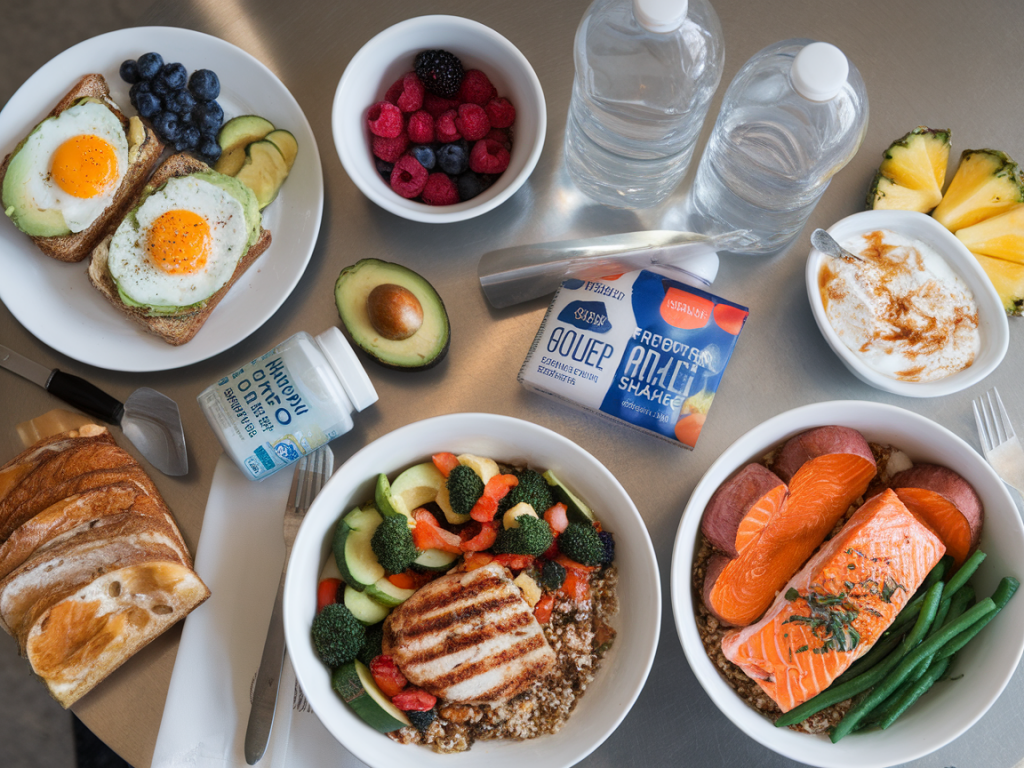
If you ever wondered what a sports dietitian actually eats on a 24-hour competition day, here's a candid, practical play-by-play from my own experience. I work with athletes regularly, and when I’m racing or supporting an event, I treat my nutrition like game strategy—planned, flexible, and focused on performance and recovery. Below I’ll walk you through my real meal timing, portions, product choices, and the reasoning behind each choice during a typical 24-hour competition day.
Overview: my guiding principles for a competition day
I follow a few non-negotiable rules on race day:
Pre-race night (if the competition starts in the morning)
Two nights before a big effort I might increase carbohydrate slightly, but the night before the race is about a balanced, easily digestible dinner that won’t upset sleep. My typical evening meal:
I avoid very high-fiber meals (e.g., lots of raw cruciferous vegetables) and extremely fatty or spicy foods that could disrupt sleep. I hydrate steadily in the evening but stop heavy drinking of fluids 60–90 minutes before bed to avoid multiple wake-ups.
Race morning: main meal (2.5–3 hours before start)
For a morning start, I aim for a meal that’s higher in carbohydrate, moderate in protein, and low in fat and fiber. Example:
This meal gives me around 70–100 g carbohydrates depending on portions—enough for most morning events up to ~90–120 minutes without heavy in-race fueling. I sip water and a small electrolyte beverage (200–250 ml) alongside the meal to avoid drinking too much all at once.
Small pre-start snack (30–60 minutes before start)
If the event is intense or I expect some nervous appetite loss, I always have a light snack close to start time:
I avoid fiber-heavy or fatty snacks in this window. The goal is quick-digesting carbs that won’t sit in my stomach.
During the competition: what I take and when
My in-race fueling depends entirely on duration and intensity. Here’s a quick guideline I personally use:
Example for a long day event (e.g., 6–8 hours of moderate endurance effort):
I also pay attention to sodium—especially in hot conditions. I’ll add 300–700 mg sodium per liter via tablets or electrolyte drinks depending on sweat rate and climate.
Immediate post-effort recovery (first 30–60 minutes)
For muscle repair and glycogen restoration, I aim for a 3:1 to 4:1 carbohydrate-to-protein ratio within the first hour. Common post-effort choices I personally like:
This phase is non-negotiable for me after long or high-intensity events. It helps reduce muscle soreness and accelerates recovery if another effort is coming later.
Midday or evening meal (2–3 hours after the event)
Once I’ve had my immediate recovery drink and showered, I eat a substantial balanced meal:
This meal refills glycogen stores and supports tissue repair. Portion sizes depend on total energy spent during the competition.
Hydration and electrolyte plan
Across a 24-hour competition day, fluid balance is one of my top priorities. My rule of thumb:
Sample timing and portions table (my real example from a 24-hour race day)
| Time | Food/Drink | Approx. portions / carbs |
|---|---|---|
| 05:30 (pre-start) | Porridge (60 g oats) + banana + 1 tbsp honey, 250 ml water | ~75–90 g carbs |
| 06:45 (30 min pre-start) | Half banana + small sports gel + 150 ml water | ~25–35 g carbs |
| 07:00–11:00 (race) | Sports drink (500–800 ml/hr), gels every 45 min, small rice cakes at HR3 | 30–60 g carbs/hr |
| 11:15 (immediate post) | Recovery shake: 45 g carbs + 25 g protein (e.g., SIS REGO or smoothie) | ~45 g carbs, 25 g protein |
| 13:00 (meal) | Grilled chicken 150 g + 1.5 cups rice + veg | ~80–120 g carbs, 30–40 g protein |
| 20:00 (evening) | Light pasta or baked potato + veggies + small fish portion | ~60–90 g carbs |
Practical tips I always use
There’s no single “perfect” race-day diet—it's a personalized toolkit. I rely on habits I’ve trained with, adjustments for weather and intensity, and simple, familiar foods that keep me fueled and comfortable for every hour of competition.