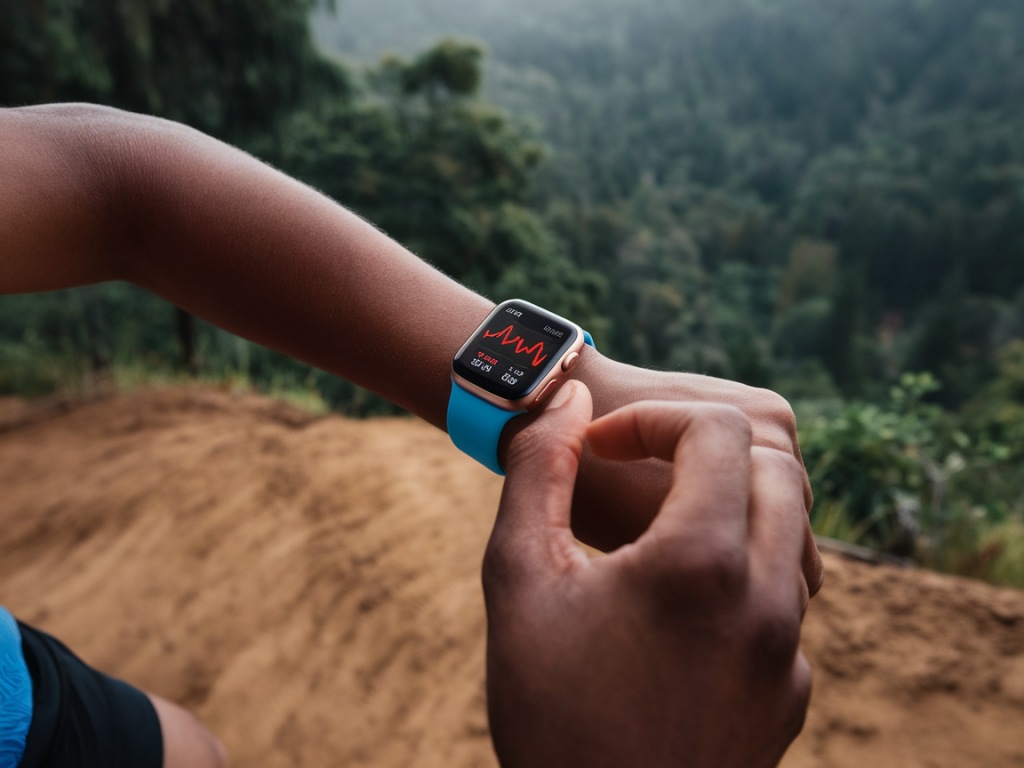
I’ve been training consistently for years, and one thing I’ve learned the hard way is that more isn’t always better. Overtraining creeps in quietly—fatigue that doesn’t go away, a plateau that turns into decline, niggling injuries. Today, our smartwatches give us a real advantage: they collect objective data every day. If you know which signals to watch and how to act, you can catch overtraining early and protect your progress.
Why your smartwatch matters
Smartwatches and fitness trackers — think Apple Watch, Garmin, Polar, Fitbit, Whoop — do more than count steps. They monitor heart rate (resting and during exercise), heart rate variability (HRV), sleep stages, recovery time, training load, and sometimes even respiratory rate and skin temperature. These metrics form a picture of your current stress-recovery balance. When something in that picture shifts away from your baseline, it’s a red flag that you should pay attention to.
Key metrics to monitor
Here are the specific data points I check every morning on my watch or smartphone app. I find tracking trends across days or weeks far more useful than reacting to a single reading.
Resting Heart Rate (RHR) — A sustained rise of 5–10% above your normal baseline over several days often indicates increased stress or inadequate recovery.Heart Rate Variability (HRV) — HRV tends to drop when you’re under physical or psychological stress. A downward trend is an early sign of accumulating fatigue.Sleep Quality & Duration — Lower deep sleep percentage, frequent awakenings, or a consistent loss of sleep hours reduce your recovery capacity.Training Load & Recovery Estimates — Many devices calculate acute load or recovery time. If these show persistently high load and long recovery windows, your body is telling you it needs rest.Exercise Heart Rate Responses — A higher-than-usual heart rate during easy efforts or difficulty hitting pace/ power at usual heart rate zones can indicate fatigue.Daily Readiness Scores — Some platforms (Whoop, Oura, Garmin Body Battery) provide a composite score. Don’t follow it blindly, but use it as an early warning system.Simple table: typical warning thresholds
| Metric | Early warning sign | What it might indicate |
| Resting Heart Rate | +5–10% sustained over 3+ days | Accumulated fatigue, possible illness |
| HRV | Significant downward trend vs baseline | Reduced autonomic recovery, higher stress |
| Sleep | Loss of deep sleep or <6 hours consistently | Poor recovery, hormonal disruption |
| Training Load | Recovery time estimates >48–72 hrs repeatedly | Systemic overload |
| Perceived Effort | Easy sessions feel hard | Neuromuscular fatigue |
How I interpret day-to-day fluctuations
One bad night's sleep or a slightly elevated resting heart rate doesn’t mean you’re overtrained. Context matters. I always compare readings to my personal baseline and the preceding 7–14 days. Here’s my practical rule-of-thumb:
If two or more key metrics (RHR, HRV, sleep, perceived effort) change negatively for 3 days straight, I treat it as a trend, not noise.If my watch’s recovery score tanks and my legs feel heavy, I downgrade the intensity of my planned workouts that day.If I notice increased resting heart rate plus decreased HRV plus poor sleep, I consider a full rest day and extra hydration/nutrition.Concrete steps to take when your watch signals trouble
I follow a simple decision flow: assess — modify — recover. Here are actionable steps I use and recommend.
Assess: Look at the trend, not a single value. Check RHR, HRV, sleep, and how hard recent workouts were. Consider lifestyle stressors (work deadlines, poor nutrition, illness).Modify training: Swap a hard session for active recovery (easy bike, swim, light yoga), reduce volume by 30–50%, or eliminate high-intensity intervals that day.Prioritize sleep: Aim for 7–9 hours, and add a nap if possible. Use sleep mode features on your watch to track effects of the change.Nutrition & hydration: Increase protein intake, add a carbohydrate snack post-workout if glycogen seems low, and drink more fluids with electrolytes if you’re sweating a lot.Stress management: Use guided breathing or a 10–20 minute meditation session. Many watches include guided breathing exercises (Apple, Garmin).Plan micro-cycles: If my watch shows chronic signs of overload, I schedule a down week: reduce volume by ~40–60% and keep intensity low.How to use watch features wisely
Here are tips for popular platforms that I’ve found useful:
Apple Watch: Use the Heart Rate app for RHR and check the Sleep app trends. Turn on Workout Recovery reminders and try the Breathe app for nervous system calming.Garmin: Pay attention to Body Battery and HRV-based stress. Garmin Coach and Training Status can help modify training load automatically.Whoop & Oura: These excel at HRV and sleep analysis. Use their readiness scores as prompts to alter intensity, especially if your subjective feelings match the score.Polar & Fitbit: Use their nightly recharge or recovery reports and weekly training load summaries to plan rest weeks.When to see red and act more decisively
There are times you should stop listening to your ego and take long, deliberate steps back:
If performance drops for more than two weeks despite reduced training, see a sports physician or physiotherapist.If you experience consistent sleep disruption, mood changes, loss of appetite, or persistent injuries, get a medical evaluation—overtraining can have hormonal consequences.If your smartwatch shows extreme deviations (very high resting heart rate, very low HRV) and you feel unwell, rest immediately and seek medical advice.How I keep a healthy long-term training rhythm
I’ve learned that technology helps, but it doesn’t replace listening to your body. I use my watch as a co-pilot: it points out trends I might miss, but I combine data with how I feel. I schedule regular deload weeks, prioritize sleep, and treat recovery as a performance tool—not a reward. When my smartwatch and my gut both say “slow down,” I slow down.
If you haven’t already, take a week to record your baseline metrics and subjective notes (energy, mood, soreness). Over time you’ll see patterns and be able to act before things escalate. Your watch is there to help you train smarter, not just harder.