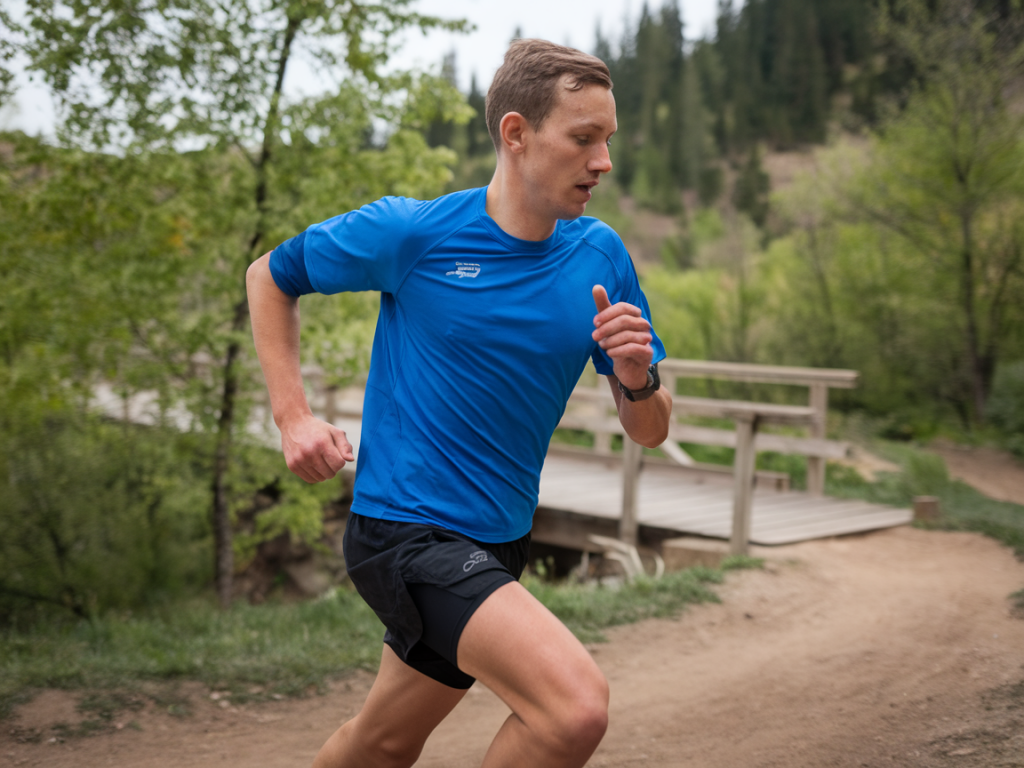
I’ve battled a stubborn case of runner’s knee (patellofemoral pain) on and off for years, and like many of you I wanted a quick fix that would let me hop back into consistent 10k training. Over time I discovered that a targeted mobility routine—when combined with strength work, load management, and some smart recovery—can make a dramatic difference. But can a 4-week mobility routine alone truly “fix” chronic runner’s knee and immediately return you to pain-free 10k training? Here’s what I learned from my own experience and from working with coaches and physiotherapists.
What runner’s knee really is (and why mobility helps)
Patellofemoral pain typically feels like diffuse pain around or behind the kneecap, often worse when descending stairs, sitting for long periods, or after running. The pain isn’t always caused by a single injury—more often it’s the result of a combination of factors: hip and ankle stiffness, weak glutes or quads, poor movement patterns, and training errors like sudden mileage spikes.
Mobility matters because joints that don’t move well force other structures to compensate. If your ankle can’t dorsiflex properly, your knee takes more stress. If your hips are tight, your knee tracking can shift and irritate the patellofemoral joint. Improving range of motion and soft-tissue quality can reduce that compensatory stress and create space for pain-free movement.
What I focused on during my 4-week routine
When I committed to a focused 4-week plan, I prioritized three pillars: mobility, targeted strength, and gradual load progression. Mobility was the entry point—if I didn’t regain range of motion, strength work would be less effective and painful.
- Hip mobility: deep hip flexor releases, 90/90 rotations, and the World’s Greatest Stretch to restore internal and external rotation.
- Ankle mobility: bent-knee ankle dorsiflexion drills, tibialis anterior flossing, and calf soft-tissue work (foam roller + lacrosse ball).
- Quadriceps and IT band management: quad stretches, foam rolling, and eccentric-loaded mini squats to encourage proper tracking.
- Soft tissue and neural mobility: glute and TFL releases, plus gentle neural flossing for the femoral nerve when indicated.
Weekly structure I used (sample)
| Day | Mobility Focus | Additional Work |
|---|---|---|
| Mon | Hip & ankle mobility (15–20 min) | Glute activation + light run (20–25 min easy) |
| Tue | Quad & TFL soft tissue (15 min) | Strength: single-leg RDLs, step-ups (2–3 sets) |
| Wed | Flow mobility (dynamic stretches, 15 min) | Cross-train (cycling or swim) |
| Thu | Ankle dorsiflexion + calf work (15 min) | Short run (25–30 min easy) |
| Fri | Targeted soft tissue + PNF stretching (15 min) | Strength: glute bridges, clams, squats |
| Sat | Active recovery mobility (10–15 min) | Longer easy run if pain-free (35–45 min) |
| Sun | Rest + light mobility (optional) | Rest or yoga |
Progression and signs I tracked
In week one I focused on daily mobility and very light activity, prioritizing pain-free range. By week two I introduced low-load strengthening and short, slow runs every other day. Weeks three and four were about building volume gradually—adding 5–10% per week to duration and re-evaluating pain. Important signs I tracked:
- Baseline morning knee pain (was it reducing?)
- Pain during and after runs (immediate vs delayed onset)
- Ability to descend stairs without sharp pain
- Range of motion improvements (knee bend depth, ankle dorsiflexion)
Tools and products I found helpful
I used a few accessible tools that sped up progress: a lacrosse ball for targeted releases, a half foam roller for quads and IT band, a resistance band for glute activation, and the architecture of a simple yoga mat. I also experimented with a mobility-focused app (Kinstretch-style drills) and occasionally relied on the TheraBand for glute and ankle exercises. Nothing fancy—consistency mattered more than expensive gear.
When a 4-week mobility routine is likely enough
If your runner’s knee is relatively recent (a few weeks to a couple months), symptoms are mild, and there’s no swelling or mechanical locking, a focused 4-week mobility block can often restore pain-free running or at least significantly reduce symptoms. I saw this effect personally: improving ankle dorsiflexion and hip rotation reduced lateral tracking, and after two weeks of consistent mobility + strength I could run 30–40 minutes without pain.
When 4 weeks isn’t enough
For truly chronic cases (pain for many months or years), structural problems, or if you have a history of knee surgery, 4 weeks of mobility alone is rarely sufficient. Chronic issues usually require a longer, multi-faceted approach including:
- Progressive strength training over 8–12 weeks (especially eccentric quad and hip abductor work)
- Gait analysis and technique adjustments (cadence, stride length)
- Physiotherapy and possibly imaging if symptoms persist or there's mechanical locking
How I transitioned back to consistent 10k training
Once my pain dropped to a manageable level, I didn’t immediately return to previous training loads. I followed a 6-week reintroduction plan instead: short, easy runs 3 times per week with one gradually longer run on the weekend. I added strides to restore speed but kept volume and intensity conservative. Most importantly, I continued mobility sessions 3–4 times per week and strength sessions twice a week to prevent recurrence.
Practical mobility drills I recommend
- Bent-knee ankle dorsiflexion: kneeling with front foot shoulder-width, press knee forward over toes—3 sets of 10 controlled reps.
- 90/90 hip rotations: sit with legs in 90/90 position and rotate through internal/external rotation—2–3 minutes each side.
- World’s Greatest Stretch: lunge with thoracic rotation and hamstring focus—8–10 reps each side.
- Foam roll + lacrosse ball: 1–2 minutes per spot for quads, IT band (light pressure), glutes.
- Eccentric decline single-leg squat: slow 4–6 second descent on a 20° decline—2–3 sets of 6–8 reps when pain allows.
So, can a 4-week mobility routine fix chronic runner’s knee and allow immediate return to consistent 10k training? Sometimes—especially for recent or mechanically driven pain—but often it’s one piece of a larger puzzle. Mobility gave me urgency-free movement and reduced pain fast, but pairing it with progressive strength, sensible load management, and patience was what ultimately got me back to consistent 10k training without setbacks. If you’re unsure about your diagnosis or if pain worsens, see a physiotherapist—there’s no substitute for a personalized assessment.