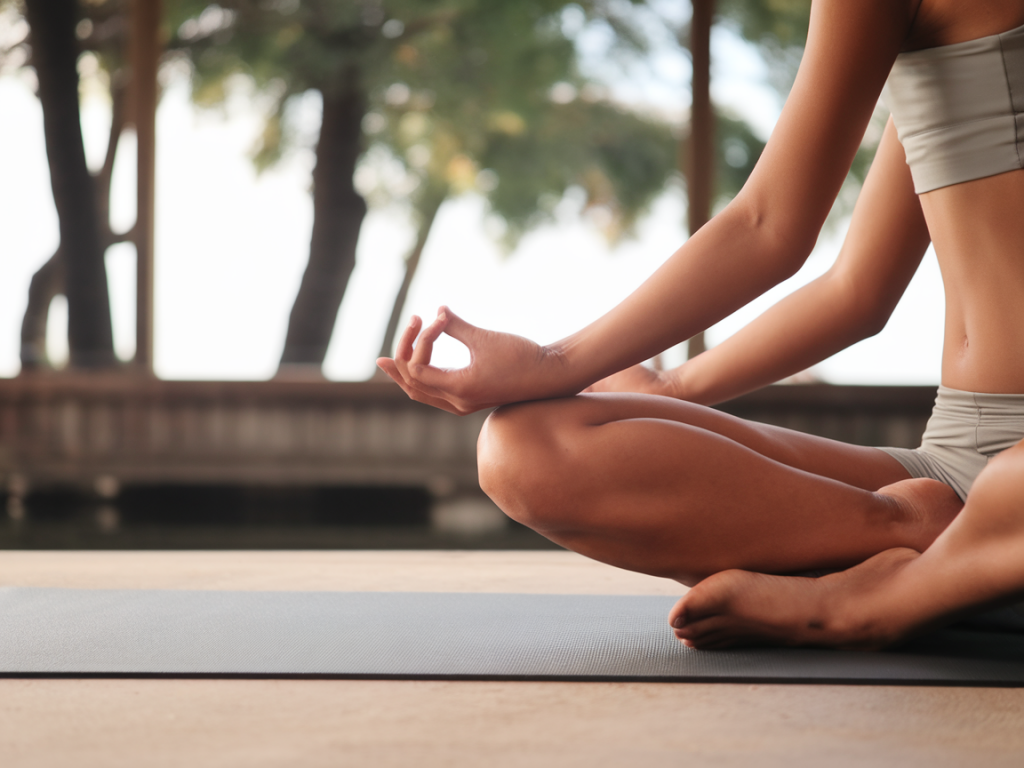
I run regularly and, like many of you, I've had to learn how to manage recurring runner's knee pain without always relying on a physiotherapist, gadgets, or gym machines. Over time, yoga has become my go-to — not just for flexibility but for gently retraining the muscles and movement patterns that contribute to knee pain. Below I share how I adapt yoga sequences to relieve runner's knee (patellofemoral pain or IT-band related discomfort) using nothing more than my body and a small space on the floor.
Understanding what’s behind runner’s knee
Before jumping into sequences, I remind myself (and recommend you do the same) that “runner's knee” can have different sources. The two most common are:
Patellofemoral pain — pain around or behind the kneecap, often from tracking problems, weak quads or glutes, or overuse.IT band / lateral tracking issues — tightness on the outside of the thigh that changes how the kneecap slides, creating friction or stress.Yoga won’t instantly “fix” structural problems, but it can reduce pain by improving alignment, releasing the tight areas that pull the knee, and strengthening the hip and thigh muscles that stabilize the joint.
Principles I follow when adapting yoga for knee pain
Prioritize pain-free movement. I avoid any pose that produces sharp or worsening pain in the knee. Mild, dull sensations are okay if they ease within minutes.Focus on alignment, not depth. Small adjustments — tracking the knee over the second toe, keeping weight evenly distributed — matter far more than how low you go.Build hip and quad strength gently. Strong hips reduce knee load. I favor slow, controlled isometrics and short-range strengthening within pain-free limits.Use breath as feedback. If breathing becomes shallow or holding happens, I back off. Calm breath equals safer practice.Short daily sequence (10–15 minutes) for acute flare-ups
This sequence is what I do on mornings when my knee feels tight but I want quick relief. I emphasize slow transitions and mindful alignment.
Begin seated with steady breath: 6–8 deep diaphragmatic inhales and exhales.Seated ankle circles — 8 each side to relieve downstream tension.Figure-4 stretch (reclined pigeon): lie on your back, cross the ankle over the opposite thigh and gently draw the other knee toward your chest. Hold 30–45 seconds each side. I keep this gentle — no forceful pulling.Supine quad/hip flexor release: lying on your side, pull your top heel toward your buttock (or use the hand behind the thigh) and keep hips stacked. Hold 20–30 seconds each side. If this bothers your knee, skip or reduce range.Glute bridge with isometric hold: 8–10 reps, lifting hips to neutral and holding 3–5 seconds at the top. Focus on squeezing glutes evenly; avoid overarching the lower back.Clamshells (side-lying): 10–15 reps each side with slow control — great for the gluteus medius that stabilizes the knee.Supported chair squats: stand with feet hip-width, lower to a chair lightly and rise. 8–12 slow reps, stopping before any knee pain. Cue knees to track over toes.Reclined hamstring stretch with a strap alternative: loop your hands behind the thigh to support the leg and gently lengthen the hamstring for 30 seconds each side.Longer practice (30–40 minutes) for building resilience
When my knee is steady, I practice a longer sequence focused on mobility, balance, and progressive strengthening. I always start with a gentle warm-up and end with restorative holds.
Warm-up: cat-cow, slow hip circles from tabletop, and standing toe lifts — 5 minutes.Low-lunge variations: low lunge to runner’s lunge with micro-bends in the knee; hold 30–45 seconds each side. Keep pelvis neutral to avoid collapsing into the front knee.Warrior II with short stance or supported wall version: 3–5 breaths per side. I shorten my stance to reduce knee load, cueing to press evenly through the front foot and keep weight back through the heel.Half-kneeling hip flexor stretch with pelvic tuck: hold 30–45 seconds each side, and add gentle posterior pelvic tilt to engage core and protect the low back.Single-leg balance with micro-bend: stand on one leg, slight bend in the knee, hold 30–60 seconds. Challenge the glute medius — if balance is easy, reach the opposite arm forward, then to the side.Leg lowering exercises: lie on your back, both knees bent; extend one leg slowly to hover and lower. 8–12 reps each side focusing on quads and hip control without stressing the knee.Bridge variations: single-leg bridge holds for 5–8 seconds each rep — build strength in glutes and reduce valgus collapse at the knee.Savasana with legs elevated (optional): lie on your back with knees bent over a low cushion or chair to reduce swelling and encourage relaxation.Modifications and progressions
| Issue | Modification | Progression |
|---|
| Sharp front-knee pain | Avoid deep knee flexion, use seated or supine stretches | Gentle partial squats once pain-free for 7–10 days |
| Difficulty balancing | Use wall support or stand near a chair | Close eyes briefly or add small reaches |
| Weak glutes | Higher-rep clamshells & bridges | Single-leg bridges & slow single-leg deadlift |
Practical cues I use to retrain movement
“Knee over second toe” — I check this when squatting or lunging to prevent inward collapse.“Lead with the heel” — especially when lowering into a squat or lunge to engage posterior muscles.“Squeeze the glutes” — during bridge or standing work to stabilize the hip.“Soft, long breath” — relaxes surrounding muscles and reduces protective guarding that can worsen tracking issues.Pre-run and post-run adaptations
On running days I keep things brief. Before running, I do dynamic mobility — leg swings, hip circles, and a gentle lunge flow to prime the tissues. After running, I stretch the quads, hamstrings, and the outside of the thigh (reclined figure-4) for 1–2 minutes per area. If I notice acute irritation, I favor the short daily sequence rather than stretching aggressively.
When to seek professional help
Yoga helps me manage and often prevent flare-ups, but persistent or worsening pain needs a physio assessment. If you experience swelling, mechanical catching, or pain that doesn’t improve with conservative care over a few weeks, book an appointment. A professional can assess gait, muscle imbalances, and provide targeted rehab exercises.
Finally, consistency matters — 10 minutes daily adds up. I treat yoga as movement therapy: small, intentional practices that reduce pain, build strength, and re-teach efficient movement patterns so you can keep enjoying your runs without relying on extra equipment.