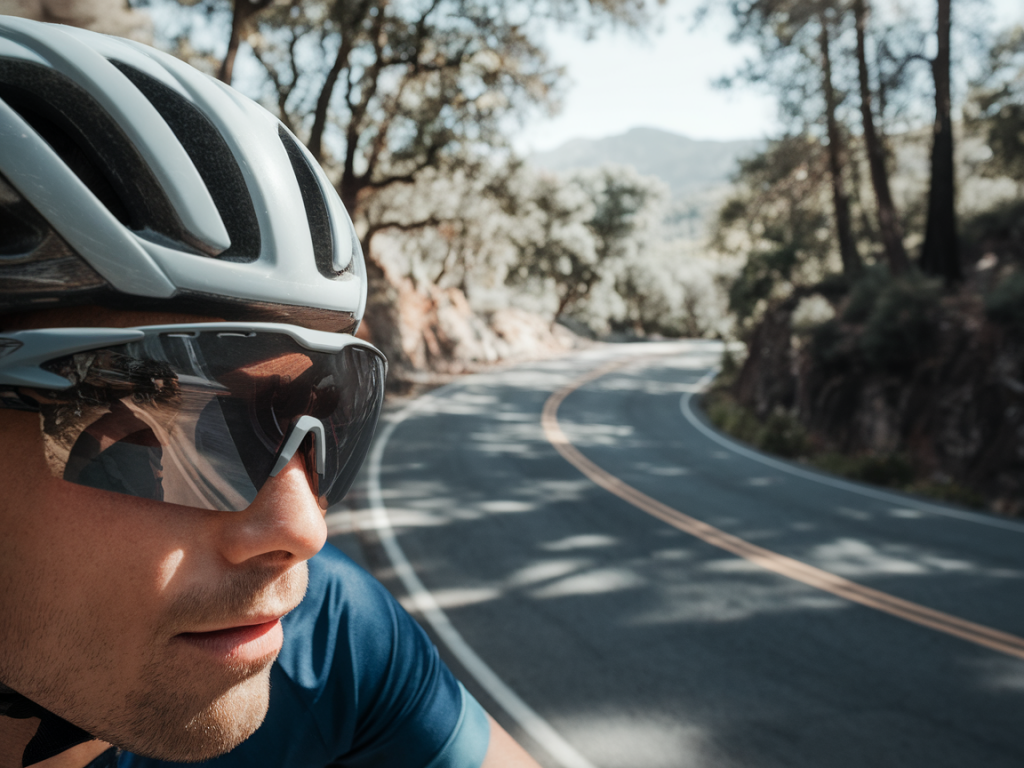
I’ve spent countless hours in the saddle under blazing sun, chasing segments, training plans, and occasionally my sanity. One thing I’ve learned: the right pair of polarized sunglasses can make the difference between a miserable, tiring ride and a focused, powerful session where my energy is spent on climbing, sprinting, or simply enjoying the road—not fighting glare. In this piece I’ll share practical, experience-based advice on how to use polarized sunglasses to cut eye fatigue and keep your power output consistent on long sunny rides.
Why polarized lenses matter for cyclists
Polarized lenses reduce horizontal glare that bounces off surfaces like roads, water, and cars. That glare forces your eyes to constantly squint and refocus, which over time creates eye strain, headaches, and reduced concentration—exactly the things that wrecking a long ride. When I put on good polarized lenses, my eyes relax, my head feels lighter, and I can hold a steady effort without that creeping tiredness.
Important note: polarization doesn’t necessarily darken everything evenly. It selectively blocks reflected light. That means better contrast and less eye work, which translates directly into improved situational awareness and sustained power output because your body isn’t compensating for visual fatigue.
Choosing the right polarized sunglasses for long rides
- Fit and coverage: Look for wraparound frames that sit close to your face and block light from the top and sides. On long sunny rides, side glare or wind-driven debris can be as distracting as glare from the road.
- Lens color and tint: Gray lenses maintain true color and are great for very bright sun. Brown or amber lenses boost contrast, helping you see texture in the road and subtle shadows. I personally rotate between neutral gray for flat open roads and brown for technical descents.
- Polarization quality: Not all polarizing films are equal. Higher-end brands like Oakley (Prizm), Smith, and Julbo use better polarizing layers and coatings that hold up longer and reduce distortion. Cheap polarizers can produce warping at the edges that strains your eyes.
- Photochromic vs fixed tint: Photochromic lenses adjust to changing light, which is handy if you ride through tunnels or varied cloud cover. However, some photochromic lenses can be slower to change and less dark at peak sun than solid tints. Consider a changeable lens system if you want optimal darkness on demand.
- Ventilation and anti-fog: If your glasses fog on climbs, you’ll start squinting and sighing—another route to lost power. Look for models with vents or hydrophobic/anti-fog coatings. Some cyclists add a thin foam strip on the brow for extra airflow.
- Prescription options: If you need vision correction, polarized prescription inserts or custom lenses are available from suppliers like Roka, Oakley, or local optical labs. Clear vision without squinting is essential for sustained efforts.
How polarized sunglasses reduce eye fatigue during long efforts
Here are the physiological and practical ways polarized lenses help me maintain power on long rides:
- Lowered visual stress: With less glare, I don’t involuntarily contract muscles around my eyes and forehead. That reduces tension that can spread to my neck and shoulders, improving breathing and comfort during high-power intervals.
- Better contrast and sharper details: I notice potholes, glass, and subtle changes in the road surface earlier—so I don’t waste energy making last-second adjustments or braking abruptly.
- Improved recovery between efforts: During recovery spins, my eyes actually rest. In busy pelotons where light reflects off water bottles and sun visors, polarization keeps my focus steady instead of flitting around.
- Mental clarity: Reduced sensory irritation lowers cortisol responses during long rides. Less stress means better power preservation when I need to hit a climb or respond to an attack.
Practical tips for using polarized sunglasses in training and racing
- Test them on long rides: Don’t buy sunglasses the day before a big event and assume they’ll be perfect. I test new pairs on training rides of similar duration and intensity to ensure they don’t fog, pinch, or distort.
- Use lens swaps for changing conditions: Bring a second lens or a second pair for variable weather. I carry a clear or low-tint backup for tunnel-heavy routes or late-afternoon flats.
- Clean them properly: Use a microfiber cloth and mild soap. Avoid paper towels and clothing that can leave micro-scratches which worsen glare and eye fatigue over time.
- Don’t rely on polarization for all scenarios: In some conditions (e.g., reading digital displays on bike computers or GPS units that use polarized screens), polarized lenses can make screens harder to read. I angle the device or flip up the glasses briefly rather than compromise vision.
- Mind reflective helmets and jackets: Polarization helps with road glare but reflected light from glossy helmets or jackets can still distract. Matte and low-glare gear helps complete the approach.
Quick comparison of common lens types
| Lens Type | Best For | Pros | Cons |
|---|---|---|---|
| Polarized gray | Bright, flat light | True colors, reduces brightness and glare | Less contrast in low light |
| Polarized brown/amber | Variable light, textured terrain | Boosts contrast, helps see road details | Colors slightly shifted |
| Photochromic polarized | Mixed conditions | Adaptive, versatile | Slower transition, expensive |
| Mirror-coated polarized | Extremely bright light | Extra glare reduction | Can limit visibility in shadows |
Brand notes and personal favorites
I’ve ridden in a few trusted models. Oakley’s Prizm polarized lenses are fantastic for contrast—great for races where every line matters. Smith offers excellent anti-fog tech and comfortable fit, which I appreciate on damp mornings. For a budget-friendly but surprisingly effective option, Tifosi has polarized lenses that perform well for training. If you want a premium lightweight rimless feel, look at POC and Ryders Eyewear.
One trick I use: for long back-to-back training days I rotate between two pairs. It reduces pressure marks on my nose and temples and gives me a fresh, clean lens every morning. Also, having a dedicated soft case and a rigid case keeps lenses scratch-free and ready to perform.
How to integrate polarized glasses into a training plan
Think of sunglasses as part of your equipment tuning. On interval days, wear the pair that offers the clearest, most stable vision so you can focus on power targets. On long endurance rides, prioritize comfort and ventilation to avoid fog and excess heat. If you practice sighting lines for time trials or group descending, use your race-day sunglasses in training so your visual cues are consistent.
Finally, remember that sunglasses are a tool to preserve your most valuable resources—attention and energy. By cutting glare and eye fatigue, polarized lenses help you direct power where it counts: into your pedals, not into fighting the sun.