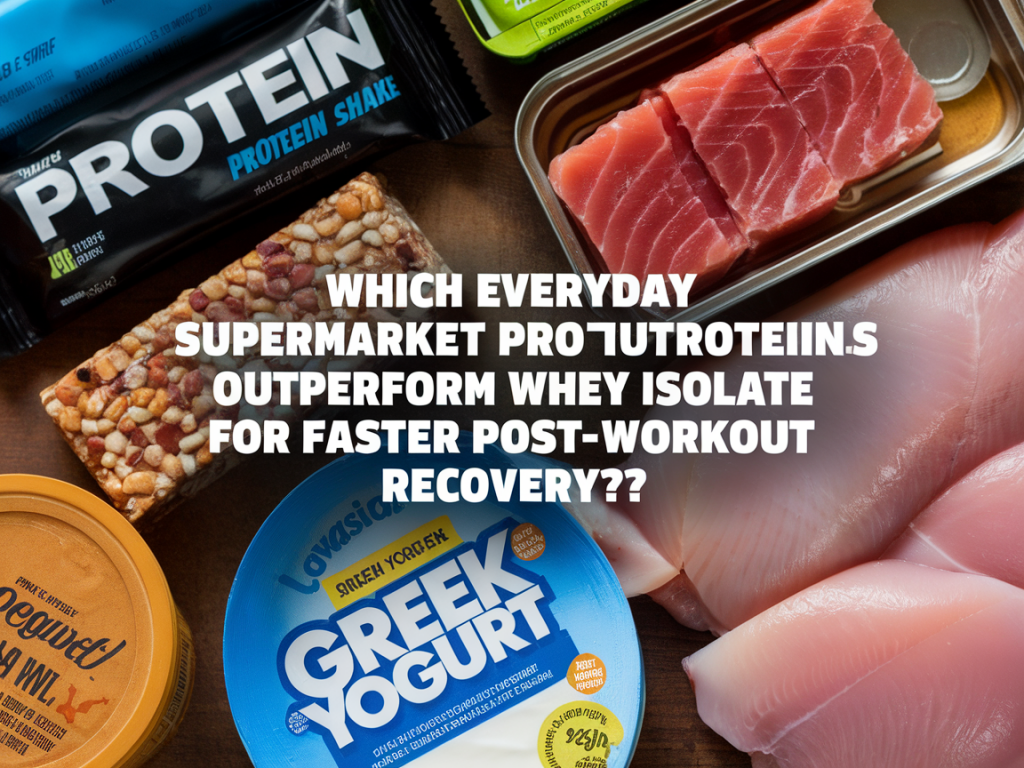
I get asked a lot whether you absolutely need whey isolate after a workout, and whether common supermarket foods can actually do the job — sometimes even better. As someone who juggles training, writing, and a busy life, I prefer practical answers. Over the years I’ve experimented with different post-workout options and read the science behind recovery. What I’ve found is that several everyday supermarket proteins can outperform whey isolate for faster and more complete post-workout recovery — especially when you consider real-world variables like timing, palatability, and accompanying nutrients.
Why whey isolate isn’t always king
Whey isolate is popular for good reasons: it’s fast-digesting, rich in essential amino acids (especially leucine), and convenient. But speed alone isn’t the full story. Recovery requires three main elements:
- Rapid amino acid delivery to stimulate muscle protein synthesis (MPS)
- Replenishment of glycogen (especially after intense or long workouts)
- Micronutrients and overall satiety so you can eat well later
Whey isolate nails the first point, but it lacks carbs and many vitamins/minerals found in whole foods. Also, in real life, I don’t always want a bland shake, and some whole food options actually deliver a more complete recovery profile.
Supermarket proteins that can outperform whey isolate
Here are the everyday options I reach for and why they can be better than plain whey isolate in practical recovery terms.
Chocolate milk
This might sound like a throwback sports drink, but chocolate milk is evidence-based. It combines high-quality milk protein (a mix of whey and casein) with carbohydrates in an ideal ratio — usually around 3:1 to 4:1 carbs to protein depending on the brand and serving. The carbs help refill muscle glycogen while the milk protein provides the amino acids for MPS. I keep a carton of low-fat chocolate milk in my fridge after tough endurance sessions or long training days. Brands such as Nesquik or supermarket own-label chocolate milk work perfectly fine.
Greek yogurt (or skyr)
Greek yogurt gives you a dense hit of protein (often 10–20 g per serving), plus live cultures and micronutrients like calcium. It contains both fast (whey) and slow (casein) proteins, which means you get a rapid amino acid surge and a longer, steady release to sustain recovery through the next few hours. I like combining Greek yogurt with banana and a drizzle of honey — it’s one-pot recovery with carbs, protein, and easy-to-digest food that feels like a real snack.
Cottage cheese
Cottage cheese is a casein-rich option that’s especially useful when you can’t eat immediately after training but want sustained amino acid availability. I often eat it with pineapple or berries for carbs. If you train in the evening, cottage cheese helps limit overnight muscle breakdown while providing a gentle amino acid stream.
Eggs (and whole grain toast)
Eggs are a classic complete protein source with excellent amino acid balance and high-quality leucine content. Two boiled eggs plus a slice of whole-grain toast (or a bagel) gives me a great post-lift meal: fast-recovering protein, accessible carbs, and satiety. Eggs also provide choline, vitamin D (small amounts) and healthy fats if you use whole eggs.
Tuna or canned salmon + rice/crackers
Canned fish is quick, shelf-stable, and protein-dense (20–25 g protein per can). When paired with rice or crackers, it becomes a superb post-workout meal that replaces glycogen and supplies omega-3s (in salmon) which have been suggested to support muscle recovery and reduce inflammation. I sometimes bring a pouch of tuna and instant rice for travel or busy days.
Lean chicken breast with sweet potato
For heavier resistance sessions, a plate of grilled chicken breast and sweet potato is hard to beat. Chicken provides a high dose of complete protein and leucine; sweet potato restores muscle glycogen and adds vitamins and antioxidants. I find this combination helps me feel fully recovered the next day — not just temporarily satiated.
Soy milk or soy-based yogurt
For plant-based athletes, soy is unique among common supermarket proteins because it provides a complete amino acid profile and decent leucine. Soy milk mixed with a banana and oats or a soy yogurt parfait can objectively perform similarly to dairy-based options in stimulating MPS.
Quick comparison table
| Food | Protein per typical serving | Leucine (approx.) | Pros | Cons |
|---|---|---|---|---|
| Chocolate milk (250 ml) | 8–10 g | ~1.0–1.2 g | Carbs + protein ratio ideal for glycogen + MPS, tasty | Added sugar in some brands |
| Greek yogurt (200 g) | 15–20 g | ~1.5–2.0 g | High protein, probiotics, mixed whey/casein release | Higher calories if full-fat |
| Cottage cheese (200 g) | 20–25 g | ~2.0 g | Casein-rich, sustained release overnight | Texture not for everyone |
| Boiled eggs (2) + toast | 12–14 g | ~1.4–1.6 g | Complete protein, quick prep, portable | Cholesterol concerns for some (but minimal in diet context) |
| Canned tuna (100 g) + rice | 22–25 g | ~2.0–2.2 g | High protein, convenient, omega-3s (salmon) | Mercury caution with frequent tuna |
| Soy milk (250 ml) | 6–8 g | ~0.8–1.0 g | Plant-based complete protein, versatile | Less protein per volume than dairy |
How to choose the best option for your goals
When I decide what to eat after a workout, I ask three quick questions:
- Was the session endurance-heavy or strength-focused? Endurance implies a greater need for carbs to restore glycogen.
- How soon can I eat later? If I’ll be without solid food for a while, I lean toward mixed proteins like Greek yogurt or cottage cheese for sustained release.
- What’s realistic and enjoyable? If I don’t want a powder shake, I’m more likely to follow through with food I actually like.
Practical guidelines I follow
Based on both science and real-world experience, here’s a simple framework I use and recommend:
- Aim for 20–40 g of protein post-workout depending on body size and training intensity.
- Include 0.5–1.2 g/kg of carbs if your session depleted glycogen (endurance or long sessions). Chocolate milk, banana + yogurt, or rice + tuna are great combos.
- If you can’t eat immediately, reach for something that digests slowly enough to carry you — cottage cheese or a peanut butter and banana sandwich are handy.
- Don’t ignore micronutrients: foods like salmon add omega-3s and vitamins that support recovery and reduce inflammation.
Brand notes and real-world tips
If you want supermarket specifics: Tesco/Asda/Waitrose Greek yogurts, Müller Skyr, and Alpro (soy) lines are all reliable. For chocolate milk, pick lower-sugar options where possible or dilute a flavored milk drink with plain milk. For canned fish, go for high-quality brands with lower sodium if you’re watching salt intake.
In short, while whey isolate is excellent in many situations, I’ve discovered that everyday supermarket proteins — especially when paired with the right carbohydrates — can outperform it for real-world recovery. They provide a broader nutrient profile, better satiety, and often a better taste that helps you actually refuel properly. Experiment with combinations that fit your schedule and taste buds, and you’ll likely find a few supermarket staples that become your go-to post-workout allies.