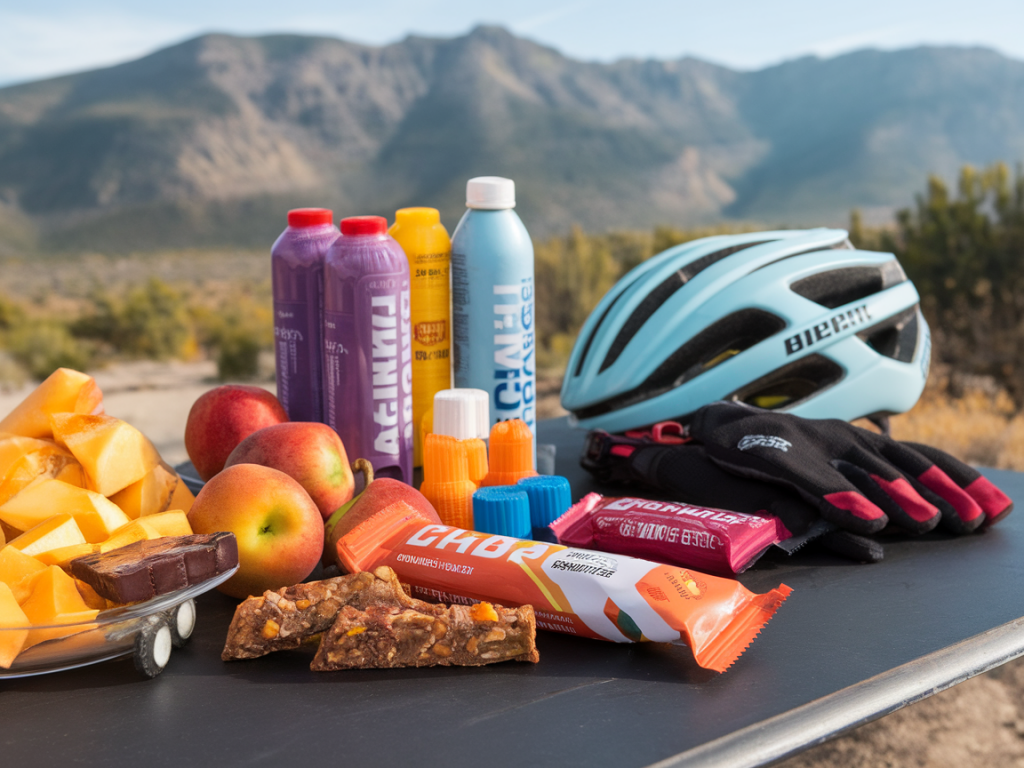
I love long rides. There’s something meditative about hours on the bike—scenery changing, cadence steady, thoughts clearing. But I’ve also learned the hard way that a beautiful ride can quickly crumble without the right fueling. Over the years I’ve experimented with gels, bars, real food, and homemade mixtures. Here’s the practical, down-to-earth fueling plan I use and recommend for rides longer than three hours, along with the why and how behind each choice.
Why fueling matters on long rides
By the third hour, your body starts to run low on glycogen—the stored carbohydrate that powers high-intensity efforts. If you don’t replenish carbs and electrolytes, you’ll feel heavy legs, fuzzy thinking, and slower recovery after the ride. Proper fueling keeps your power steady, prevents bonking, and makes the whole experience more enjoyable.
Basic principles I follow
- Start full: I never start a long ride on an empty stomach. A solid pre-ride meal with carbs, moderate protein, and a bit of fat helps me sustain energy for the first 60–90 minutes.
- Aim for 60–90g carbs per hour: For efforts over three hours, I target roughly 60–90 grams of carbs per hour depending on intensity and my tolerance. Lower end for easy endurance, higher if pushing hard.
- Hydrate and replace electrolytes: Water alone isn’t enough. I mix electrolytes into some bottles and sip regularly to prevent cramping and fatigue.
- Test in training: Never try new products on race day. I test everything during training to know how my stomach reacts.
- Mix solid and liquid: I combine gels and bars with real-food bites or sandwiches to avoid palate fatigue and for a steadier energy release.
What I eat before a long ride
About 2–3 hours before I roll out, I’ll have a meal like:
- Oat porridge with banana, honey, and a spoon of peanut butter (roughly 70–90g carbs)
- A bagel with jam and a little cream cheese
- A smoothie with oats, yogurt, banana, and a scoop of maltodextrin or sports carb powder
If I have less time—say 60 minutes—I prefer a lighter snack: a banana and a rice cake with jam, or a small oat bar that’s easy on the stomach.
On-bike fueling: timing and options
I follow a simple timing rule: start taking carbs within the first 30–45 minutes and then every 20–30 minutes afterwards. Here are the practical items I bring and why:
- Energy gels: Quick, concentrated carbs. I like GU, SIS, or Maurten gels for their different textures. One gel usually provides 20–30g carbs. I space them with real-food bites to avoid getting sick of gel taste.
- Energy chews or blocks: Easier to share and chew while riding. Brands like Clif Bloks or Torq chews are staples for me.
- Bars: Good for bulk calories and variety. Choose easily chewable bars—some are too dense and upset my stomach.
- Real food: Half a sandwich (e.g., peanut butter and jam or ham and cheese), a banana, or homemade rice balls. These give longer-lasting energy and feel more satisfying during very long rides.
- Electrolyte drink: One bottle with a proper electrolyte mix (Skratch Labs, Nuun, or High5) and another bottle with plain water. I sip throughout so I don’t drink a huge volume at once.
- Caffeine: For late-rides or tough efforts I bring a caffeinated gel or small espresso shot in a flask—use cautiously if you’re sensitive to caffeine.
Practical fueling plan (per hour)
Here’s the guideline I personally use, adjusted by ride intensity and duration. Carbohydrate targets are the main focus:
- Hour 0–1: Rely on pre-ride meal. Sip electrolytes. Take a 20–30g carb gel or half a bar at 45–60 mins if riding steady.
- Hour 1–2: 30–60g carbs (one gel or a handful of chews + 200–300ml electrolyte drink)
- Hour 2–3: 60–75g carbs (gel + part of a bar or a half sandwich + electrolytes)
- Beyond 3 hours: 60–90g carbs per hour. Mix gels, chews, and real food and ensure steady electrolyte intake.
Example schedule for a 4–6 hour ride
| Time | On-bike fueling | Carb estimate |
|---|---|---|
| Start (after 2–3h pre-meal) | Sip electrolyte drink | 0–10g |
| 30–45 min | Gel (20–25g) or rice cake with jam | 20–30g |
| 60–75 min | Chews (20–25g) + water | 20–25g |
| 90–120 min | Small sandwich or half flapjack + electrolytes | 30–50g |
| 120–180 min | Gel + chews or bar (depending on appetite) | 40–60g |
| 180–360 min | Alternate every 20–30 min between gels/chews and small food bites; keep sipping electrolytes | 60–90g/hr |
Electrolytes, salt and fluids
I learned to pay attention to salt after at least two cramp-filled rides. If you sweat a lot, add extra electrolytes or carry salt tablets. I look for drinks or powders that provide sodium (300–700 mg per litre mix, depending on heat) and balanced potassium/magnesium. Skratch Labs Hydration Mix and Tailwind are my go-tos depending on how thick I want the bottle to be.
Real-food options I use
- Small peanut butter and jam sandwich on a soft roll (good mix of fat and carbs)
- Rice balls with soy sauce or a touch of honey (easy to digest and compact)
- Banana halves wrapped in foil (nature’s quick carb)
- Homemade oat flapjacks—soft and calorie-dense
Real food helps psychologically—after three hours, chewing something reminds me I'm human, not just a carb machine.
Stomach issues and tips
- If you feel nauseous, slow the intake of concentrated gels and switch to sips of dilute sports drink and small bites of real food.
- Experiment with different textures: some riders tolerate liquids best, others need a bar to avoid glycemic spikes and crashes.
- Practice eating while fatigued in training—your tolerance changes when tired.
On recovery during and after the ride
On very long rides I try to get a 3:1 carb-to-protein ratio soon after finishing (e.g., chocolate milk, recovery drink, or a sandwich with lean protein). During the ride, small amounts of protein (a few sips of a protein drink or a bite of jerky) can help reduce muscle breakdown, but carbs remain the priority for performance.
Fueling for long rides is part science, part art, and a lot personal preference. Use these guidelines, try combinations in training, and adjust based on your sweat rate, intensity, and taste preferences. When I get the fueling right, those long hours become not just manageable, but joyful—and that’s what keeps me coming back to the road.