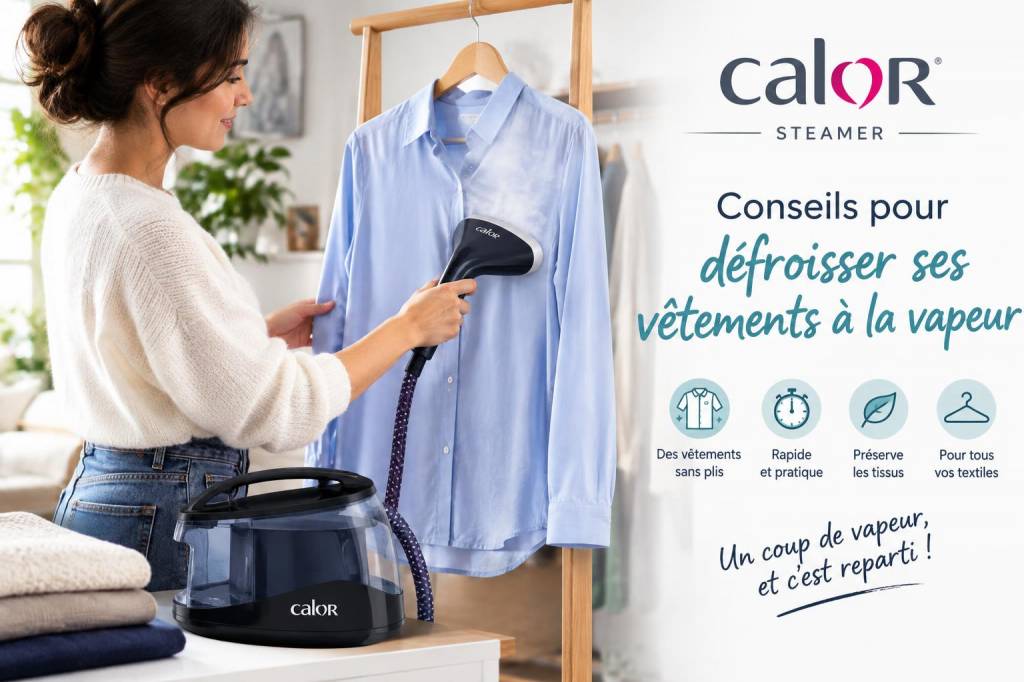
When I reach for a garment steamer, I want fast results, less stress, and fewer wrinkles without turning laundry day into a project. That is exactly why I like writing about conseils pour défroisser ses vêtements à la vapeur: once I understood a few simple habits, steaming stopped feeling technical and started feeling intuitive. In my own routine, a steamer is not just a convenience item. It is a practical part of keeping shirts, dresses, activewear, blazers, and travel clothing presentable with less effort than ironing.
What I appreciate most is that steaming fits a real-life schedule. A quick pass before leaving home, a refresh after a suitcase trip, or a smooth finish before an event can change how a garment looks and feels. According to the U.S. Department of Energy, fabric care choices can reduce wasted time and help extend garment life when they are done correctly, and the same logic applies to steaming: gentle heat and moisture often preserve fabric better than aggressive pressing. I also like that research from textile care organizations consistently shows that poor heat control is one of the main reasons clothes lose shape, shine, or surface texture over time.
What steaming changes in fabric care
I think of steaming as controlled relaxation for fibers. Heat and moisture loosen wrinkles, which lets gravity do much of the work. Unlike a traditional iron, a steamer usually does not rely on direct pressure, so it can be kinder to delicate materials and structured garments alike.
In practical terms, steaming helps me with:
- removing light to moderate wrinkles from hanging clothes
- freshening garments between washes
- reducing visible creases after storage or travel
- softening fabric drape before wearing
- refreshing items that should not be pressed flat
I have found that the method works especially well on cotton blends, viscose, polyester, silk blends, lightweight wool, and many athletic fabrics. Still, not every fabric reacts the same way, which is why I always pay attention to heat sensitivity, weave, and garment shape.
The first mistakes I avoid before I even switch it on
My results improved dramatically when I stopped rushing the setup. A steamer may look simple, but a few small decisions make a big difference.
First, I always check the care label. If a garment warns against heat, steam, or moisture, I do not ignore it. Second, I make sure the water tank is filled correctly and, when possible, I use clean water that reduces mineral buildup. Third, I hang the garment on a sturdy hanger with enough room around it so the steam can move freely.
I also inspect the fabric surface for lint, dust, or stains. Steam can help refresh a piece, but it will not hide residue. In some cases, steam can even make a stain more visible if I try to treat the garment before cleaning it properly.
Fabric types I treat with extra care
Not all garments need the same steaming approach. I adjust my method based on the textile and construction.
| Fabric or item | My approach | What I avoid |
|---|---|---|
| Cotton shirts | Slow vertical passes, slight tension on the hem | Holding the nozzle too close for too long |
| Silk blends | Gentle steam from a short distance | Direct soaking or overworking one area |
| Wool jackets | Light steaming with space to relax fibers | Pressing too hard on lapels or seams |
| Polyester sportswear | Brief passes to release folds | Overheating synthetic trims |
| Linen | Steady steam plus patient hanging time | Expecting instant perfection in one pass |
Linen deserves special mention. It often looks better after steaming, but it rarely becomes perfectly smooth immediately. I accept a slightly relaxed finish rather than chasing a board-flat result that may not last.
My process for clean, even results
Over time, I developed a repeatable routine that saves me from uneven spots and water marks.
- I start with a fully heated steamer so the steam output stays stable.
- I keep the garment hanging straight and lightly tension the fabric with my free hand.
- I move from top to bottom in slow vertical passes.
- I never press the head flat against delicate fabric unless the manufacturer allows it.
- I let the garment hang for a few minutes after steaming so moisture can evaporate.
That final pause matters more than many people realize. If I put a freshly steamed shirt straight into a closet, residual humidity can create new creases. Letting the item settle first gives me a cleaner finish and a fresher smell.
Common errors I try to avoid
A lot of steaming problems come from habits that seem harmless at first. I have made a few of these myself, so I know exactly how they show up in real life.
Using too much steam on one spot: This can leave damp patches, especially on thin fabrics. I now keep moving unless a wrinkle truly needs a second pass.
Starting before the steamer is fully ready: Weak steam often causes drips instead of wrinkle release. I wait until the output feels strong and even.
Ignoring garment structure: Blazers, pleated skirts, and lined pieces need care around seams and folds. Steam can soften a shape if I stay too long in one area.
Overfilling the tank: If the reservoir is overfilled, the unit may spit water. I stick to the marked limit and empty leftover water after long sessions.
Using hard water without maintenance: Mineral deposits can shorten appliance life and affect steam quality. Regular descaling matters.
What I do when wrinkles refuse to leave
Some wrinkles are stubborn, especially on thick cotton, dense linen, or garments that have been folded for months. When that happens, I do not force the issue with more heat right away. I try a more patient approach.
First, I hang the item in a steamy bathroom or near a shower for a few minutes if it is safe for the fabric. Then I return with the steamer and work in slow passes. I also gently pull the fabric taut at the hem or side seam so the steam can reach the crease line evenly. For deep folds, I may steam both the inside and outside of the garment if the fabric allows it.
If a crease still refuses to move, I treat it as a sign that the garment may need a different method, such as light ironing through a protective cloth. I do not want to damage the fiber just to chase a flawless surface.
Steaming clothes for travel and active lifestyles
Because this blog lives in a health and fitness world, I care about clothes that move with me. Sportswear, athleisure, and travel outfits often need quick refreshes more than deep cleaning. After a workout trip, I use steam to reduce locker-room odor, soften folding lines, and revive a shirt before wearing it again.
For travel, I have learned to pack with steaming in mind. I fold less when possible, use packing cubes with enough space, and choose fabrics that respond well to steam. When I arrive, a few minutes with the steamer can make a blazer or dress look ready for dinner without a full laundry routine.
That is one reason I like to keep simple maintenance habits in my weekly schedule. A garment that is refreshed often usually needs less aggressive treatment later.
Maintenance habits that keep a steamer reliable
A steamer works well only if I care for it well. I have seen too many units lose power because of scale buildup or neglected parts. My maintenance routine is simple but consistent.
- I empty the tank after use.
- I rinse the reservoir if the manufacturer allows it.
- I descale at the recommended interval, especially with hard water.
- I check the nozzle for residue or blockages.
- I store the appliance upright and dry.
Most appliance brands and consumer safety organizations recommend following the manufacturer manual for water quality and descaling frequency. I agree with that advice because a steamer that is clean produces steadier output, drips less, and lasts longer.
Why Calor models often come up in real households
When people ask me about steamers, Calor comes up often because the brand is widely recognized in garment care. What matters to me is not the label alone, but the practical experience: fast heat-up, manageable weight, stable steam delivery, and easy daily use. A good handheld or upright steamer should fit into actual life, not only perform well in a showroom.
I look for a model that feels comfortable in the hand and does not tire my wrist quickly. I also value a tank size that balances portability and runtime. In my experience, a device that is easy to refill and easy to control gets used more often, which is what really improves wardrobe care over time.
Questions I hear most often about steaming
Can steaming replace ironing? Sometimes, yes. For many garments, steaming is enough. For crisp collars, sharp trouser creases, or formal tailoring, I may still need an iron.
Can I steam all fabrics? No. I always check care labels and stay cautious with leather, suede, waxed materials, and certain coated textiles.
Does steaming kill odors? It can reduce mild odors by refreshing fibers, but it is not a full substitute for washing when a garment is truly dirty.
Why does my steamer spit water? It is often linked to incomplete heating, overfilling, or mineral buildup. I let the unit heat fully and maintain it regularly.
Is steam safe for delicate clothes? Usually, yes, if I keep distance and move gently. Delicate fabrics need low pressure, short passes, and close attention.
Evidence I rely on when I care for garments
I like practical advice, but I also appreciate sources that support what I see in daily use. The American Cleaning Institute explains that fabric care depends heavily on label instructions and proper cleaning method selection. The Good Housekeeping Institute regularly highlights the value of garment-specific care, especially for delicate fibers and heat-sensitive finishes. Consumer reports from appliance testing groups also emphasize that steam output, ergonomic design, and descaling access influence performance over time.
These sources reinforce what I see at home: a steamer is only as effective as the habits around it. The machine matters, but so do setup, fabric knowledge, and maintenance.
If I had to condense my own routine into a single habit, it would be this: I slow down just enough to let steam do its work. That small pause turns a rushed refresh into a cleaner result, and it keeps my clothes looking sharper for longer.